

The best mouse with OLED display is not automatically the best fit for every PC setup. Choose first by workload and shape: the TECWARE and INPHIC models are positioned for gaming, while several others emphasize ergonomic scrolling or multiple-device use.
This comparison uses the supplied product specifications, not independent performance measurements. OLED display details are limited, so check the seller’s current listing for what the screen shows, software requirements, and any region-specific compatibility information.



How These OLED Mouse Options Differ
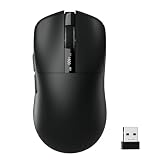
For a lightweight gaming-oriented option, the TECWARE EX1 lists a 59-gram design, up to 26,000 DPI, tri-mode connectivity, and a charging dock. The INPHIC IN9 Ultra lists up to 30,000 DPI and customizable vibration, but its weight and display functions are not specified.
For productivity, the TSQQST, avakot, and MiniLuxis models highlight side scrolling or multiple-device use. The MiniLuxis vertical mouse adds an angled grip and dual scroll wheels, while the LOFREE lists a 4,000-DPI limit and glass-surface compatibility.
Recommended OLED Mice by Use Case
TECWARE EX1 Lightweight Gaming Mouse
The TECWARE EX1 combines a stated 59-gram weight with up to 26,000 DPI and 2.4GHz, Bluetooth, or wired connectivity. Its included RGB charging dock and grip tape may suit gamers seeking a lightweight mouse with flexible connection options.
Pros: The listed weight, tri-mode connection, charging dock, grip tape, and high DPI ceiling make it the clearest lightweight gaming choice here. Cons: The supplied information does not state polling rate, sensor model, battery life, or OLED functions. Who should skip it: Skip it if you need documented sensor or screen behavior before buying.
Our guide to gaming mouse grips may help you assess whether grip tape suits your preferred hold.
INPHIC IN9 Ultra Wireless Gaming Mouse with Custom
The INPHIC IN9 Ultra lists a custom display, up to 30,000 DPI, tri-mode 2.4GHz, Bluetooth, and USB-C wired connections. Customizable vibration and programmable controls are also stated, making it a feature-focused option for PC or Mac users.
Pros: Its listed connection modes, programmable design, and high DPI ceiling offer flexibility across gaming and general use. Cons: The supplied data does not specify weight, sensor, battery life, or what can be customized on the display. Who should skip it: Skip it if low weight or detailed screen functions are essential criteria.
Keymatic G58 Wireless Gaming Mouse
The Keymatic G58 lists up to 24,000 DPI, tri-mode connectivity, four programmable buttons, and an LCD screen. Its dual-battery rechargeable description may appeal to users who want a low-cost gaming-style feature set, although battery operation details are not provided.
Pros: The stated programmable buttons, three connection modes, and LCD provide a straightforward set of gaming-oriented features. Cons: The data does not identify its sensor, weight, screen capabilities, or how the dual-battery arrangement works. Who should skip it: Skip it if you need verified performance details or clear battery specifications.
MiniLuxis Ergonomic Vertical Mouse, Dual Scroll
This MiniLuxis model combines a 60-degree vertical design, dual scroll wheels, tri-mode connectivity, an OLED display, and up to 8,000 DPI. It may suit people who prefer a vertical mouse and want separate scrolling controls for different tasks.
Pros: The vertical form, dual scrolling, and Bluetooth, 2.4GHz, and wired options distinguish it from conventional gaming shapes. Cons: The supplied details do not state dimensions, handedness, sensor model, or display functions. Who should skip it: Skip it if you want a conventional shape or prioritize documented competitive-gaming specifications.
TSQQST Ergonomic Wireless Mouse with Infinite Side
The TSQQST listing emphasizes infinite side scrolling, an OLED display, adjustable DPI, silent clicks, and multi-device linking over 2.4GHz or Bluetooth. Those features point toward office work and navigation-heavy tasks rather than a clearly specified competitive-gaming setup.
Pros: Infinite side scrolling and multi-device connectivity may help with wide documents and switching between compatible computers. Cons: The available data does not give a DPI range, device limit, sensor, or wired connection option. Who should skip it: Skip it if you need wired use or documented gaming sensor performance.
avakot Ergonomic Wireless Mouse with Infinite Side
The avakot model lists infinite side scrolling, an OLED display, Bluetooth and 2.4GHz connectivity, and switching among five devices. Its PixArt 3220 optical sensor is specifically identified, which gives shoppers more sensor information than several similarly positioned productivity options.
Pros: Five-device switching and the named PixArt 3220 sensor are useful distinguishing specifications for a multi-computer workspace. Cons: The supplied data does not state DPI range, wired support, display functions, or whether the sensor’s performance suits a particular game. Who should skip it: Skip it if you require wired connectivity or a specified DPI range.
Wireless Mouse, Bluetooth & 2.4GHz Ergonomic
This MKETech Electronics mouse lists Bluetooth and 2.4GHz connections, dual USB-A and USB-C receivers, four DPI levels, silent clicks, and support for up to four devices. It may fit a mixed-device setup where receiver connector choice matters.
Pros: The included receiver formats and four-device capacity offer practical connection flexibility, while four DPI levels keep adjustment simple. Cons: No DPI values, sensor model, wired mode, or specific OLED functions are supplied. Who should skip it: Skip it if you need a documented DPI range or gaming-focused sensor details.
MiniLuxis Ergonomic Productivity Wireless Mouse
This productivity-focused MiniLuxis lists infinite and side scrolling, an OLED display, multi-device connectivity, and a PixArt 3220 sensor. It may be worth considering for document-heavy work when the extra scrolling controls matter more than a gaming-specific feature set.
Pros: Dual scrolling and the named sensor are useful documented details, with PC, laptop, and Mac included in the product description. Cons: The supplied information omits DPI range, device count, connection modes, and screen behavior. Who should skip it: Skip it if you need confirmed connectivity details or a defined gaming performance profile.
LOFREE Touch PBT Wireless Mouse with USB Receiver
The LOFREE Touch PBT lists a 4,000-DPI maximum, OLED screen, rechargeable design, and USB receiver, Bluetooth, or wired connections. The description also states compatibility with glass surfaces and Mac, Windows PC, and notebooks, making it a versatile general-purpose option.
Pros: The listed operating-system support, three connection choices, and glass-surface compatibility make it suitable for varied desk setups. Cons: Its stated DPI ceiling is lower than the gaming-focused models here, and no sensor or display functions are specified. Who should skip it: Skip it if you want a high-DPI gaming mouse or documented sensor details.
How to Choose a Mouse With an OLED Display
Start With Shape and Workload
For gaming, compare stated weight, DPI range, programmable controls, and connection modes, while remembering that DPI alone does not establish sensor accuracy or responsiveness. For productivity, prioritize scrolling controls, device switching, and a shape you can comfortably use.
Check Connectivity and Compatibility
Bluetooth, 2.4GHz wireless, and wired connections are not interchangeable for every computer or workflow. Confirm that your device supports the required connection, that any receiver fits available ports, and that the seller documents operating-system support where it matters.
Find Out What the Display Actually Does
An OLED or LCD label does not explain which settings or information appear on screen. Before choosing, verify the display’s functions, whether software is required, and whether settings are stored on the mouse or managed through an application.
Use DPI as One Specification, Not a Verdict
A high maximum DPI gives an adjustment range, but it does not independently prove gaming precision. Sensor identity, polling rate, shape, and controls are missing for several products here, so avoid ranking them on DPI alone.
For help matching shape to your grip, see our guide to gaming mouse form. Readers comparing gaming peripherals can also browse the Gaming Mice category.
Final Recommendation
Choose the TECWARE EX1 if its stated lightweight design, gaming orientation, dock, and tri-mode connections match your priorities. Consider the INPHIC IN9 Ultra for its programmable features and higher listed DPI ceiling, or the Keymatic G58 if its LCD and four programmable buttons appeal.
For ergonomic navigation, compare the vertical MiniLuxis with the side-scrolling TSQQST, avakot, and productivity MiniLuxis. The LOFREE stands out for stated glass-surface compatibility and broad connection options, while the MKETech model specifies dual receiver formats. Verify missing display and sensor details before purchase.



Write Your Review
No reviews yet. Be the first to share your experience!