

Choosing among the best laptops for video editing comes down to hardware throughput rather than promotional marketing. Video cutting software like Premiere Pro and DaVinci Resolve relies heavily on multi-core central processors, ample system memory for preview playback, and rapid solid-state storage. Entry-level laptops handle basic timeline assembly and lightweight 1080p clips, while higher-tier configurations manage multi-track workflows and GPU-accelerated color grading without choking on rendered assets.
Top Hardware Picks for Timeline Workflows

Pros
- Expansive 17.3-inch Full HD anti-glare display
- Ships with Windows 11 Pro
- Physical privacy shutter on the integrated webcam
- Equipped with modern Wi-Fi 6 and Bluetooth 5.3
- Full keyboard layout including dedicated numeric pad
Cons
- 8GB memory capacity limits heavy multitasking
- Webcam resolution is limited to 720p

Pros
- Large 17.3-inch Full HD anti-glare display
- Fast system boot times via PCIe NVMe SSD
- Preinstalled with Windows 11 Pro
- Integrated physical webcam privacy shutter
- Full-size keyboard with numeric keypad
Cons
- 8GB of memory limits heavy multitasking capability
- Four-core CPU struggles with demanding video rendering workloads
- HDMI 1.4 port restricts high-bandwidth external displays
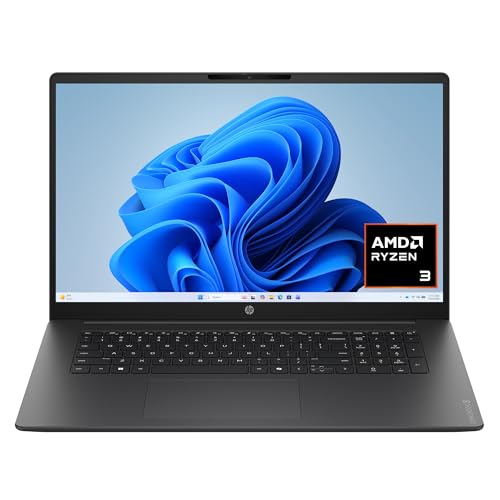
Pros
- Spacious 17.3-inch Full HD IPS display
- FHD webcam with automatic HDR correction
- Fast Wi-Fi 6 and Bluetooth 5.4 support
- Built-in AI noise reduction for calls
- Dedicated Windows Copilot access key
Cons
- Entry-level Radeon 610M graphics limits gaming performance
- 8 GB RAM restricts intensive multitasking
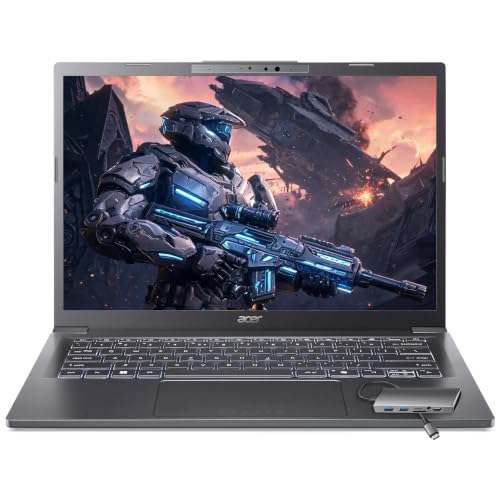
Pros
- Generous 32GB memory and 2TB solid-state storage
- Dedicated 47 TOPS NPU for on-device AI tasks
- Interactive 14-inch touchscreen display with stylus support
- Lightweight 3.09-pound chassis built for mobility
- Included external hub provides diverse connectivity options
Cons
- Integrated Arc graphics limit demanding 3D workloads
- Requires carrying an external hub for Ethernet and HDMI

Pros
- Smooth 120Hz Full HD anti-glare display
- Six-core Intel Core 3 100U processor
- Integrated full-size SD card reader
- Modern Wi-Fi 6 wireless connectivity
Cons
- Limited 256GB solid-state drive capacity
- Non-backlit keyboard
- Display brightness capped at 250 nits

Pros
- Fast 8-core AMD Ryzen 9 8945HS processor
- Expansive 17.3-inch Full HD display
- User-upgradeable DDR5 memory and storage
- High-speed USB4 connectivity with 100W fast charging
- Hardware webcam privacy shutter and fingerprint reader
Cons
- Integrated Radeon 780M graphics limits demanding AAA gaming
- Conflicting RAM capacity listed across product specifications
Pros
- Large 17.3-inch Full HD anti-glare screen
- Efficient AMD Ryzen 5 7520U processor
- Pre-installed Windows 11 Pro operating system
- Physical privacy shutter on the webcam
- Fast Wi-Fi 6 and Bluetooth 5.3 support
Cons
- Modest 8GB RAM capacity
- Limited 256GB internal solid-state storage
- Basic 720p webcam resolution

Pros
- Full HD 1080p anti-glare display
- Fast LPDDR5 memory for daily multitasking
- USB-C port supports Power Delivery and DisplayPort
- Modern Wi-Fi 6 wireless connectivity
- Built-in physical webcam privacy shutter
Cons
- Modest 128GB internal storage capacity
- Pre-installed with Windows 11 in S mode
- Display brightness limited to 250 nits

Pros
- Large 17.3-inch Full HD display
- Capable 6-core AMD Ryzen 5 6600H processor
- Dual full-function USB-C ports with display output
- Upgradable DDR5 RAM and M.2 storage slots
- Backlit keyboard and integrated fingerprint reader
Cons
- Integrated graphics restrict heavy 3D gaming performance
- Modest 53.58Wh battery for a 17.3-inch chassis

Pros
- Capable 8-core AMD Ryzen 7 8745HS processor
- Generous 32GB DDR5 RAM and 1TB SSD included
- User-upgradable memory up to 64GB and dual SSD slots
- High-speed USB4 port supports external GPU expansion
- Convenient 100W USB-C Power Delivery charging
Cons
- Lacks a dedicated graphics card for heavy 3D workloads
- Standard Full HD resolution offers basic pixel density
Key Hardware Specifications Compared
Understanding how processor architectures and memory ceilings impact render times helps prevent workflow bottlenecks. The table below outlines core hardware capabilities across documented models.
| Laptop Model | Processor | Installed RAM | Storage Capacity | Display Size |
|---|---|---|---|---|
| Acer Aspire Laptop 2026, Touchscreen | Intel Core Ultra 7 258V | 32GB LPDDR5X | 2TB PCIe SSD | 14.0″ Touch |
| NIMO 17.3″ Gaming Laptop | AMD Ryzen 9 8945HS | 32GB DDR5 | 1TB SSD | 17.3″ FHD |
| NIMO 15.6 AI Creator Laptop | AMD Ryzen 7 8745HS | 32GB DDR5 | 1TB PCIe 4.0 SSD | 15.6″ FHD |
| NIMO 17.3″ AI-Creator-Laptop | AMD Ryzen 5 6600H | 16GB DDR5 | 512GB PCIe SSD | 17.3″ FHD |
| Dell Pro 15.6″ Laptop 2026, Intel Core 3 100U | Intel Core 3 100U | 16GB DDR5 | 256GB NVMe SSD | 15.6″ FHD 120Hz |
| HP OmniBook 3 17.3 inch Laptop PC, FHD Display | AMD Ryzen 3 30 | 8GB LPDDR5 | 512GB NVMe SSD | 17.3″ FHD |
| HP 17 Laptop, 17.3″ FHD Display, 8GB DDR5 RAM | AMD Ryzen 5 7520U | 8GB LPDDR5 | 512GB NVMe SSD | 17.3″ FHD |
| Lenovo Essential 15.6″ FHD Laptop | Intel N150 | 8GB LPDDR5 | 128GB UFS 3.1 | 15.6″ FHD |
In-Depth Hardware Breakdown for Creators
Heavy Multitrack and Render Workstations
NIMO 17.3″ Gaming Laptop leads the performance tier by pairing an 8-core, 16-thread AMD Ryzen 9 8945HS with 32GB of DDR5 memory and integrated Radeon 780M graphics. This processing setup handles multi-layer H.264 and HEVC scrubbing smoothly while providing user-accessible memory and storage upgrade slots. Its 17.3-inch panel provides generous timeline space, though the large footprint makes frequent mobile travel more demanding.
For editors needing portable capability alongside advanced graphics support, NIMO 15.6 AI Creator Laptop combines a Ryzen 7 8745HS processor, 32GB DDR5 RAM, and a USB4 port. The inclusion of high-speed USB4 connectivity allows editors to connect external desktop graphics enclosures or fast scratch-disk arrays, effectively transforming the device into a modular desk hub. It fits naturally into an organized workspace setup like those featured in our guide to building a budget battlestation.
Editors working in compact settings will find substantial hardware in Acer Aspire Laptop 2026, Touchscreen. Powered by an Intel Core Ultra 7 258V chip paired with Arc 140V graphics and 32GB LPDDR5X RAM, it carries a capacious 2TB internal SSD that eliminates immediate external drive dependencies. While the 14-inch display saves desk space, creators handling extensive clip bins may prefer expanding to external screens like those reviewed in our roundup of the best ultrawide monitors for gaming and work.
Mid-Tier Editing and Intermediate Projects
NIMO 17.3″ AI-Creator-Laptop delivers balanced multi-core output through its 45W Ryzen 5 6600H processor and 16GB DDR5 memory. The 6-core chip maintains stable clock speeds during sustained rendering passes, while dual SO-DIMM slots allow memory expansion up to 64GB down the road. Its 512GB SSD holds ongoing project caches reliably, though 4K assets will eventually necessitate expanded local storage.
The Dell Pro 15.6″ Laptop 2026, Intel Core 3 100U presents an accessible configuration featuring 16GB of DDR5 RAM alongside a 6-core Intel Core 3 100U processor. An integrated SD card reader facilitates swift field offloads from cameras, and the 120Hz Full HD panel delivers smooth interface movement. However, the 256GB SSD fills quickly once render scratch files accumulate, demanding disciplined file management.
Lightweight Assembly and Rough-Cut Laptops
Options such as HP 17 Laptop, 17.3″ FHD Display, 8GB DDR5 RAM, along with its sister configurations HP 17 Laptop, 17.3″ FHD Display, 8GB DDR5 RAM and HP 17 Laptop, 17.3″ FHD Display, 8GB DDR5 RAM, run on AMD Ryzen 5 7520U processors. The 17.3-inch screen size allows comfortable side-by-side asset viewing, but 8GB of memory restricts smooth playback to basic 1080p cuts without dense visual effects applied.
Entry-level models like HP OmniBook 3 17.3 inch Laptop PC, FHD Display and Lenovo Essential 15.6″ FHD Laptop operate with lower thermal footprints suitable for classroom or office productivity. Their compact processor profiles and 8GB memory limits accommodate audio syncing and video logging, but long 4K timeline rendering quickly saturates available resources.
Essential Considerations Before Buying
System memory determines whether your editing suite runs smoothly or stutters during timeline scrubbing. Video software utilizes RAM to cache decoded video frames; 8GB serves basic social video splicing, 16GB provides comfortable headroom for standard 1080p multi-track projects, and 32GB prevents memory paging bottlenecks on complex timelines.
Thermal headroom and processor sustained wattage also govern overall render performance. High-performance H-series chips like the Ryzen 9 8945HS and 6600H draw more sustained wattage to export projects faster than power-sipping U-series variants, making them the superior choice for frequent video production.
Frequently Asked Questions
Is 8GB of RAM sufficient for video editing?
An 8GB configuration works for assembling standard 1080p clips, generating rough cuts, and publishing short web clips. Complex timelines with color grading nodes, Fusion compositions, or multi-camera angles quickly exhaust 8GB, making 16GB or 32GB the baseline for sustained editing work.
Do I need an external drive for video editing on a laptop?
Laptops with 256GB or 512GB internal drives can fill rapidly after caching project scratch data and high-bitrate media. Utilizing an external solid-state drive or upgrading internal storage ensures the main operating system drive retains sufficient free capacity for virtual memory paging.



Write Your Review
No reviews yet. Be the first to share your experience!