

Finding the best laptops for photo editing on a modest budget requires balancing CPU performance, memory capacity, and screen size. Working with high-resolution raw files and multi-layer projects rapidly consumes system resources, making hardware specifications critical even for entry-level editing setups.
Quick Recommendation Summary
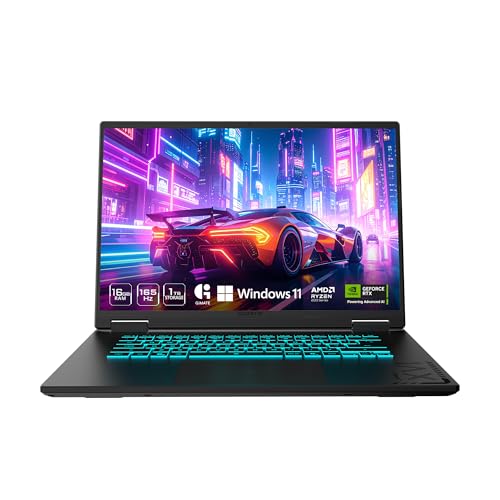
For users who prioritize memory capacity for multi-layered projects in software like Photoshop or Lightroom, the Light Gaming Laptop, ΑΜD Ryzen 7430U is the clear front-runner. It provides 16GB of DDR4 system RAM, which reduces disk caching when working with large image libraries.
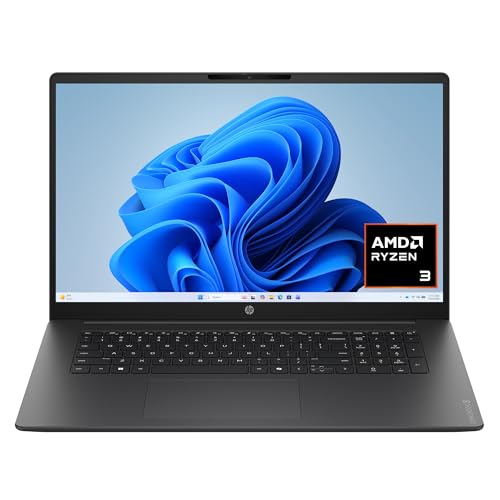
If you prefer an expansive workspace without investing immediately in external displays, the HP 17 Laptop, 17.3″ FHD Display, 8GB DDR5 RAM offers a generous 17.3-inch anti-glare screen and a modern Ryzen 5 processor. For lighter catalog management and basic corrections, the HP OmniBook 3 17.3 inch Laptop PC, FHD Display delivers an IPS panel with wide viewing angles and extended battery life.

Pros
- 16GB DDR4 memory handles multitasking efficiently
- Fast 512GB M.2 NVMe storage drive
- Modern Wi-Fi 6 and Bluetooth 5.2 support
- Full HD display with narrow bezels
- Broad port selection including HDMI and USB-C
Cons
- Integrated graphics limit performance in demanding 3D games
- Relatively heavy at 4.41 pounds for a modern portable

Pros
- Large 17.3-inch Full HD anti-glare display
- Fast system boot times via PCIe NVMe SSD
- Preinstalled with Windows 11 Pro
- Integrated physical webcam privacy shutter
- Full-size keyboard with numeric keypad
Cons
- 8GB of memory limits heavy multitasking capability
- Four-core CPU struggles with demanding video rendering workloads
- HDMI 1.4 port restricts high-bandwidth external displays
Pros
- Spacious 17.3-inch Full HD IPS display
- FHD webcam with automatic HDR correction
- Fast Wi-Fi 6 and Bluetooth 5.4 support
- Built-in AI noise reduction for calls
- Dedicated Windows Copilot access key
Cons
- Entry-level Radeon 610M graphics limits gaming performance
- 8 GB RAM restricts intensive multitasking
Detailed Reviews: Best Laptops for Photo Editing
1. Light Gaming Laptop, AMD Ryzen 7430U
The Light Gaming Laptop, ΑΜD Ryzen 7430U stands out in this price bracket by including 16GB of DDR4 memory. Having 16GB of system memory is considered the standard minimum for comfortable photo editing, allowing operating systems and editing software to run side-by-side without aggressive memory paging.
Its internal storage is powered by a 512GB M.2 NVMe solid-state drive, ensuring rapid application boot times and fast file imports from connected cameras. For wireless offloading, integrated Wi-Fi 6 connectivity speeds up cloud synchronization and remote file transfers.
The primary compromise here is the lesser-known brand ecosystem and integrated graphics, which handle 2D photo adjustments smoothly but will not accelerate heavy 3D rendering or complex GPU-accelerated filters as fast as dedicated graphics cards. Color accuracy coverage for the display is also not formally specified by the manufacturer.
2. HP 17 Laptop, 17.3″ FHD Display, 8GB DDR5 RAM
The HP 17 Laptop, 17.3″ FHD Display, 8GB DDR5 RAM centers around an expansive 17.3-inch Full HD display. The extra screen real estate provides substantial room for expansive tool panels, histograms, and large image previews without feeling cramped.
Under the hood, an AMD Ryzen 5 7520U processor paired with 8GB of modern LPDDR5 memory delivers snappy responsiveness during batch file exports and raw conversions. The inclusion of Windows 11 Pro also brings advanced administrative and security features suitable for freelance business workflows.
However, the 8GB RAM ceiling limits the scale of complex, multi-layered compositions. Users who frequently merge dozens of high-resolution layers may experience slowed responsiveness as available system memory fills up.
3. HP OmniBook 3 17.3 inch Laptop PC, FHD Display
The HP OmniBook 3 17.3 inch Laptop PC, FHD Display features a 17.3-inch Full HD IPS panel, providing consistent color consistency across 178-degree viewing angles. Viewing angles are vital when evaluating color balance, preventing contrast shifts when shifting positions.
Equipped with an AMD Ryzen 3 processor and Radeon 610M graphics, this machine is suited for casual photography, online portfolio administration, and basic raw editing. It also features rapid charging capabilities, allowing mobile editors to reach roughly 50 percent capacity in approximately 45 minutes.
Because it utilizes an entry-tier quad-core CPU configuration alongside 8GB LPDDR5 RAM, processing heavy batch exports or running advanced neural filters will take longer than on higher-tier workstations.
Key Specifications Compared
| Model | Screen Size & Panel | Processor | RAM | Storage |
|---|---|---|---|---|
| Light Gaming Laptop | FHD (Panel unlisted) | AMD Ryzen (up to 4.3GHz) | 16GB DDR4 | 512GB NVMe SSD |
| HP 17 Laptop | 17.3″ FHD Anti-Glare | AMD Ryzen 5 7520U | 8GB LPDDR5 | 512GB PCIe SSD |
| HP OmniBook 3 17.3 | 17.3″ FHD IPS | AMD Ryzen 3 | 8GB LPDDR5 | 512GB PCIe SSD |
How to Choose the Best Laptops for Photo Editing
When shopping for budget-tier laptops dedicated to photo editing, hardware specifications must be weighed carefully against workflow requirements.
System RAM Requirements
RAM directly impacts system responsiveness when dealing with high-megapixel image files. While 8GB is sufficient for basic cropping, exposure adjustments, and web preparation, 16GB provides essential headroom when running resource-heavy desktop suites like Lightroom alongside web browsers and background services.
Display Quality and Screen Space
A larger 17.3-inch display makes editing without an external monitor much easier on your eyes. Panel technology also matters; IPS displays maintain consistent brightness and contrast across viewing angles, which is critical for making accurate color grading choices. For permanent desk setups, pairing a laptop with one of the best ultrawide monitors or one of the best 1440p gaming monitors provides improved color accuracy and expansive canvas space.
Storage and Connectivity
All three selections include 512GB solid-state drives, which provide swift boot times and fast file access. However, raw photo catalogs consume hundreds of gigabytes rapidly. Choosing a laptop with USB 3.2 or Type-C connectivity ensures that connecting external high-speed SSD drives or multi-card readers remains straightforward.
Frequently Asked Questions
Is 8GB of RAM sufficient for photo editing?
8GB of RAM can handle standard JPEG retouching and simple RAW processing in lightweight software. For complex work with multiple layers or intensive batch exports, 16GB of RAM is strongly advised to prevent system slowdowns.
Do I need a dedicated graphics card for photo editing?
Most basic photo retouching tasks depend heavily on CPU clock speeds and available system memory rather than a dedicated graphics card. Integrated AMD Radeon graphics provide more than enough capability for standard 2D image adjustments, zoom pans, and display scaling.
Final Verdict
For users who need maximum multitasking stability and smooth layer management, the Light Gaming Laptop, ΑΜD Ryzen 7430U is the recommended choice due to its 16GB memory configuration. If having an expansive 17.3-inch built-in screen is your top priority for viewing uncropped photos, the HP 17 Laptop, 17.3″ FHD Display, 8GB DDR5 RAM offers a dependable mix of processing speed and display area.



Write Your Review
No reviews yet. Be the first to share your experience!