

For TERA, prioritize comfortable tracking and accessible commands for skills, dodges, and other actions. Redragon M913 offers 12 side buttons for MMO-style bindings, while Razer Basilisk V3 X HyperSpeed provides a simpler nine-control layout.
This is specification-based research, not a claim of in-game performance. TERA compatibility depends on your computer and game setup, while programmable features may require each manufacturer’s software.
Top Products
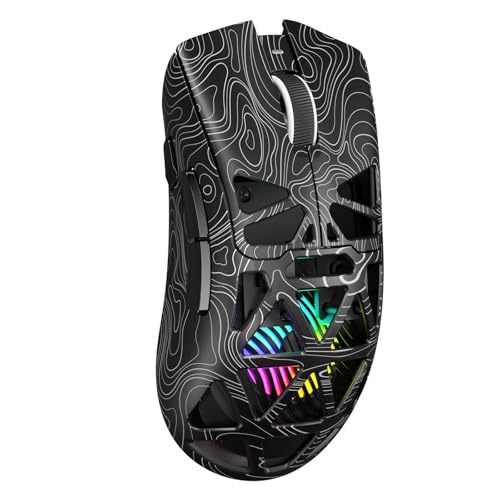
Pros
- Tri-mode 2.4GHz, Bluetooth 5.3, and wired USB-C connectivity
- Lightweight 67-gram build reduces wrist fatigue
- Sensor supports up to 12,000 DPI and 1000Hz polling
- Dedicated rapid-fire button for quick in-game actions
- Can store and switch between four paired devices
Cons
- Configuration software is unavailable when using Bluetooth
- Driver programming features only support Windows systems

Pros
- Ergonomic vertical shape reduces wrist strain
- Versatile tri-mode wireless and wired connectivity
- Five-direction thumb rocker expands input options
- Onboard memory stores button assignments across PCs
- Twelve fully programmable macro buttons
Cons
- Right-handed design excludes left-handed users
- Software installation may trigger OS security warnings

Pros
- Versatile Bluetooth, 2.4GHz, and USB-C wired connections
- Quiet operation using silent click switches
- Six on-the-fly adjustable DPI presets up to 12800
- Charges via USB-C while remaining fully usable
- Cross-platform compatibility across Windows, macOS, Android, and iOS
Cons
- Configuration software is limited to Windows only

Pros
- Fast 1 ms Lightspeed wireless connectivity
- Efficient 12,000 DPI HERO optical sensor
- Up to 250 hours on one AA battery
- Built-in storage slot for the wireless USB receiver
- Lightweight build for rapid mouse movements
Cons
- Requires replaceable AA batteries instead of integrated recharging
- Compact dimensions may not suit users preferring large mice

Pros
- Cable-free 2.4GHz wireless connectivity
- Eight remappable buttons including rapid-fire input
- Adjustable polling rate up to 1000Hz
- Five customizable onboard DPI presets
Cons
- Maximum 45-hour battery life requires eco mode
- Equipped with entry-level PAW3325 optical sensor
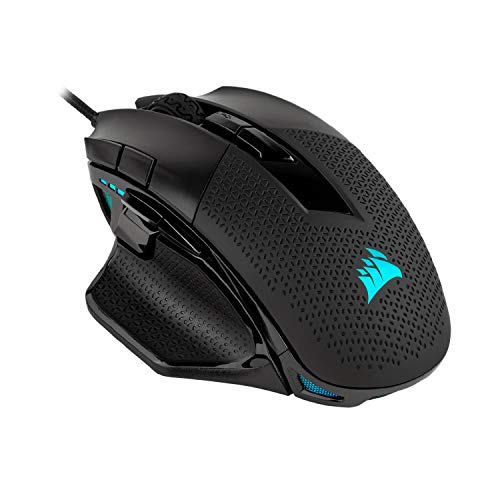
Pros
- Tunable weight system with 120 balance configurations
- Native 18,000 DPI optical sensor with fine adjustments
- Ten programmable buttons for macros and remaps
- Ergonomic contoured body with textured rubber grips
Cons
- Relatively heavy base weight starting at 119 grams
- Requires proprietary software for real-time balance detection

Pros
- Versatile 2.4GHz, Bluetooth, and USB-C wired connections
- Adjustable tracking up to 24,000 DPI with 1000Hz polling
- Up to 250 hours of wireless battery life
- Convenient dedicated rapid fire hardware key
- Ergonomic contoured profile for medium and large hands
Cons
- Configuration software is not supported on macOS
- Dedicated rapid fire key cannot be remapped in software

Pros
- Dual HyperSpeed wireless and Bluetooth connectivity options
- Up to 535 hours of extended battery life
- Nine programmable buttons for custom macro setups
- Durable mechanical switches rated for 60M clicks
- High-precision 18,000 DPI optical sensor
Cons
- Configuration and optimization require Razer Synapse software
- Battery life varies depending on usage conditions
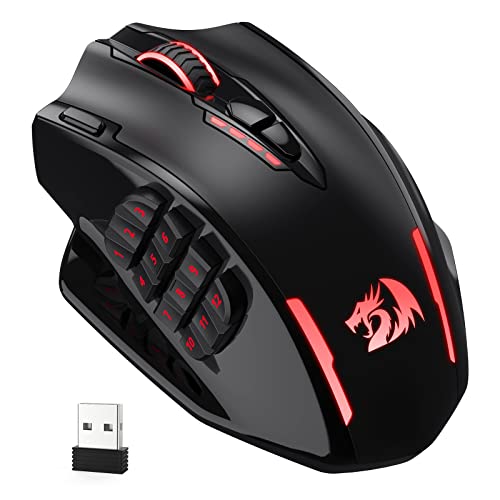
Pros
- 12 dedicated programmable side buttons
- Dual 2.4GHz wireless and USB-C wired modes
- Pixart 3335 sensor with adjustable 16000 DPI
- Up to 80 hours of battery in Eco mode
- Full wireless configuration through dedicated software
Cons
- Battery life drops to 45 hours with RGB enabled
- Key remapping requires proprietary driver software

Pros
- Ultra-lightweight 49-gram honeycomb chassis
- Versatile 2.4GHz, Bluetooth, and USB-C connections
- Five programmable macro-capable buttons
- Five onboard DPI preset stages
- Comfortable symmetrical grip design
Cons
- Requires dedicated software to unlock full 8000 DPI
How to Choose a Gaming Mouse for TERA
TERA’s action combat rewards responsive movement and convenient access to frequently used commands. Button count alone does not establish comfort or suitability, so match layout to your grip and preferred keybinds.
Choose button layout for your keybinds
Redragon M913 has 12 side buttons and 16 programmable buttons overall, making it the strongest listed fit for players who want many thumb-accessible bindings. Its numerous controls may feel unnecessary if you prefer keyboard commands or a simpler mouse.
The Attoe model’s five-direction rocker and 12 programmable buttons offer another command-heavy layout. Its vertical shape differs from conventional gaming mice, so consider whether that grip suits your hand before choosing it for long sessions.
Balance comfort, weight, and grip
Shape and weight affect how a mouse feels during extended play. The Aula SC620 is listed at 67 grams, while INPHIC A9 V2 is listed at 102 grams; the supplied details do not specify weights for every model.
Attoe describes its vertical design as right-handed and suitable for small to large hands. That is a distinct ergonomic preference, not a universal fit, and the product information does not provide dimensions.
Do not shop by maximum DPI alone
DPI indicates sensitivity settings, not independently measured accuracy or a guaranteed advantage in TERA. The Logitech G305 lists a 12,000 DPI HERO sensor, while Corsair NIGHTSWORD lists a native 18,000 DPI sensor.
Choose a mouse with adjustable sensitivity that you can configure comfortably. Several options include onboard DPI steps, but supplied specifications do not establish which setting is best for your screen, grip, or play style.
Recommended Mice by Play Style
Redragon M913: strongest fit for MMO-style bindings
The M913 combines 12 side buttons with 16 total programmable buttons, a Pixart 3335 sensor, and 2.4GHz wireless or USB-C wired modes. Its advertised 1 ms response and 16,000 DPI are specifications, not independent results.
Pros: Many remappable controls, wired and wireless options, and listed battery life up to 45 hours with backlighting on or 80 hours in eco mode. Cons: Dense side-button layouts can be harder to navigate, and its software is needed for customization.
Who should skip it: Players who want a lightweight, minimal mouse or do not need numerous thumb bindings.
See more gaming mouse options for RPGs if you want to compare macro-focused layouts for other role-playing games.
Razer Basilisk V3 X HyperSpeed: wireless, moderate button count
Razer lists nine customizable controls, HyperSpeed wireless and Bluetooth, and an 18,000 DPI optical sensor. Its seven-button difference from the M913’s 16-button total favors players who want fewer controls without giving up remapping.
Pros: Two wireless connection options and a listed battery life of up to 285 hours on HyperSpeed or 535 hours on Bluetooth. Cons: Battery figures vary with use, and customization uses Razer Synapse.
Who should skip it: Players seeking a large MMO side-button grid or a wired-first mouse.
Attoe Gaming Mouse with 5 D Rocker: vertical shape and command rocker
This right-handed vertical mouse pairs 12 programmable buttons with a five-direction thumb rocker. It supports Bluetooth, 2.4GHz wireless, and USB-C wired connections, with a PMW3325 sensor and five listed DPI presets.
Pros: Rocker directions can map to movement or commands, and profiles are described as saved to the mouse. Cons: Vertical grip is not conventional, and custom bindings require the supplied software.
Who should skip it: Left-handed users or players who prefer a familiar horizontal gaming-mouse shape.
Logitech G305: straightforward wireless design
The G305 uses Logitech LIGHTSPEED 2.4GHz wireless and a HERO sensor rated up to 12,000 DPI. Its listed battery life reaches 250 hours on one AA battery, a useful specification for players who prefer replaceable batteries.
Pros: Receiver storage, compact design, and long advertised battery life. Cons: Product details do not specify programmable-button count or Bluetooth, and the AA battery adds a replacement task.
Who should skip it: Players who need many MMO buttons, Bluetooth, or documented macro support.
Redragon M810 PRO: programmable controls with 2.4GHz wireless
The M810 PRO offers eight programmable buttons, including rapid-fire and side macro buttons, plus a PAW3325 sensor rated up to 10,000 DPI. Its 2.4GHz receiver and listed 1000Hz polling rate suit users wanting wireless control with configurable commands.
Pros: Onboard DPI levels and up to 45 hours of advertised battery life in eco mode. Cons: Supplied connection details focus on 2.4GHz wireless and do not list Bluetooth or wired operation.
Who should skip it: Players who need multi-device Bluetooth or extensive MMO side-button access.
Aula SC620: light design and three connection modes
Aula SC620 weighs 67 grams and offers seven programmable buttons, 2.4GHz wireless, Bluetooth 5.3, and wired USB. Its listed six DPI settings reach 12,000, while the dedicated fire button can be assigned through its driver.
Pros: Low listed weight, three connection modes, and support for up to four stored devices. Cons: Product details state Bluetooth mode is unavailable on Windows, despite listing broader system compatibility elsewhere.
Who should skip it: Windows users who specifically need Bluetooth connectivity, or players seeking a high-count MMO side grid.
INPHIC A9 V2: quiet clicks and flexible connectivity
INPHIC lists silent clicks, 102-gram weight, six DPI settings up to 12,800, and Bluetooth, 2.4GHz, or USB-C wired connections. Its Windows-only optional driver supports button mapping and other settings.
Pros: Quiet buttons and multiple connection choices can suit shared spaces and multi-device desks. Cons: At 102 grams, it is heavier than the Aula SC620, and software customization is limited to Windows.
Who should skip it: Players who want a lightweight mouse or need driver-based customization on macOS.
Corsair NIGHTSWORD: adjustable weight and extensive calibration
Corsair lists ten programmable buttons, a native 18,000 DPI PMW3391 sensor, and adjustable weight from 119 to 141 grams. Its multiple weight locations support balance adjustments, but the listed range makes it a heavier option than the Aula SC620.
Pros: Fine-grained DPI adjustment and many weight configurations. Cons: Supplied specifications do not state wireless connectivity or battery life, so it is best considered for a wired-style desk setup only if confirmed by the retailer’s model details.
Who should skip it: Players prioritizing low weight, wireless use, or a lower-complexity setup.
Redragon Wireless Gaming Mouse: high DPI and rapid-fire key
This Redragon model lists 2.4GHz, Bluetooth, and USB-C modes, seven customizable primary buttons, a separate rapid-fire key, and up to 24,000 DPI. Its advertised battery life reaches 250 hours in 2.4GHz mode with RGB off.
Pros: Three connection options, 1000Hz polling rate, and a dedicated rapid-fire control. Cons: Windows is required for button remapping and lighting customization, and Mac OS software customization is unsupported.
Who should skip it: Mac users who need software-based customization or players who do not want a rapid-fire key.
Redragon M725: lightweight, simpler control layout
The M725 is listed at 49 grams and has five programmable buttons, two side buttons, and wired, Bluetooth, and 2.4GHz modes. Its stated sensor maximum is 8,000 DPI, with default steps listed up to 4,000 DPI.
Pros: Lowest listed weight among these picks and three connection modes. Cons: Five buttons offer fewer direct commands than MMO-focused options, and the supplied data does not specify battery life.
Who should skip it: Players who want a large thumb-button array or the highest listed DPI range.
Final Recommendation
Choose Redragon M913 if TERA keybind access and a 12-button thumb panel matter most. Choose Razer Basilisk V3 X HyperSpeed for fewer controls and two wireless options, or Attoe for a vertical grip and rocker.
For a lighter, simpler layout, compare Aula SC620 and Redragon M725. Confirm software and connection support for your operating system before buying, especially when relying on Bluetooth or custom macros.


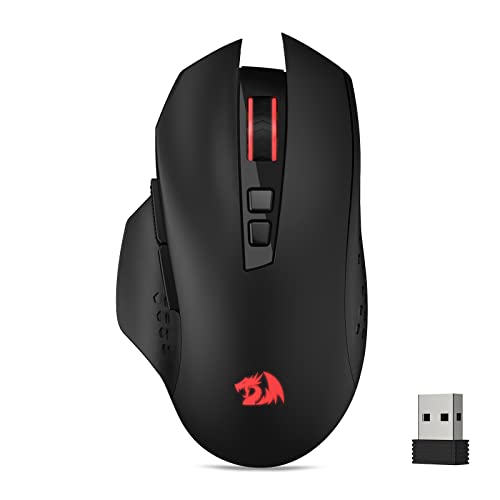

Write Your Review
No reviews yet. Be the first to share your experience!