

The best gaming headset surround sound option for a PC depends first on how its positional audio works. Some models require Windows software or a USB connection for virtual surround, while others offer wired stereo or wireless listening with advertised surround features.
For a straightforward PC pick, consider the Logitech G432, which supports DTS Headphone:X 2.0 through Logitech G HUB. The Razer BlackShark V2 X and FIFINE H9 also advertise surround features, but their connection and platform requirements differ.
This guide compares documented specifications rather than claiming measured audio performance. Check the connection and software notes for your setup, and remember that virtual surround support does not guarantee the same result in every game.
Recommended Gaming Headsets
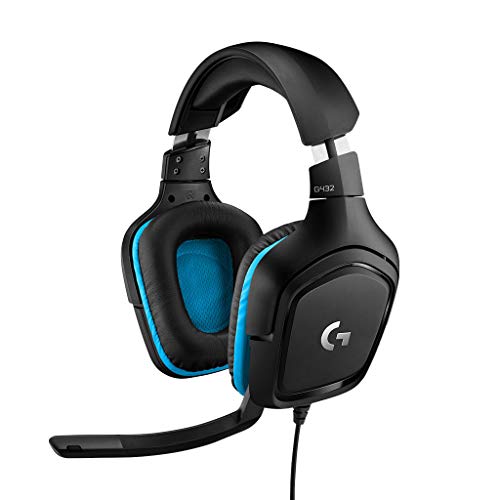
Pros
- Large 50mm audio drivers
- Convenient flip-to-mute 6mm boom microphone
- DTS Headphone:X 2.0 surround sound support
- Versatile 3.5mm and USB DAC connectivity
- Comfortable lightweight frame with rotating ear cups
Cons
- DTS Headphone:X 2.0 requires Logitech G HUB software
- Advanced surround sound unavailable on standard console connections


Pros
- Lightweight 240g frame for extended comfort
- Broad compatibility via standard 3.5mm audio jack
- TriForce 50mm drivers for distinct frequency tuning
- Cardioid microphone with targeted voice pickup
Cons
- Surround sound requires Windows 10 64-bit
- Xbox One may require a separate stereo adapter

Pros
- Large 50mm audio drivers
- Lightweight build under eight ounces
- Comfortable memory protein ear cushions
- Flexible microphone with integrated mute control
- Standard 3.5mm cross-platform compatibility
Cons
- USB plug only powers lighting without audio transmission
- Incompatible with Xbox 360
- Requires an adapter for PlayStation 3 use
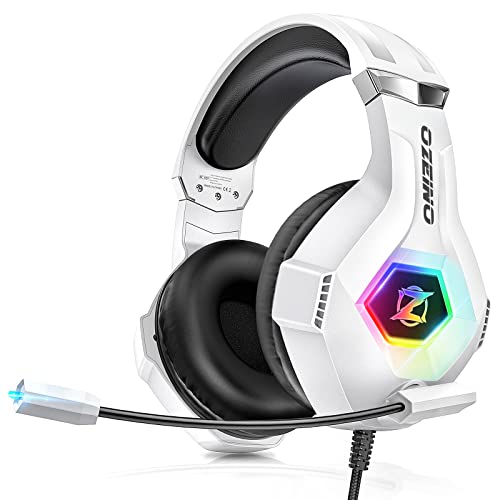
Pros
- Wide compatibility across consoles, PC, and mobile
- Adjustable 360-degree noise-cancelling microphone
- Comfortable padded protein ear cushions
- Includes 3.5mm PC splitter cable
Cons
- USB connection required solely for LED lighting
- Older Xbox One controllers require an unincluded adapter


Pros
- Dual detachable USB and 3.5mm audio connections
- Detachable unidirectional noise-cancelling microphone
- Convenient on-ear volume and mute controls
- Comfortable memory protein ear padding
- Broad multi-platform gaming compatibility
Cons
- Virtual 7.1 surround sound only functions on PC
- Surround sound features require a USB connection

Pros
- Extremely lightweight 0.66-pound frame
- Foldable design enables compact storage
- Comfortable memory foam ear cushions
- Flexible noise-filtering microphone
- Plug-and-play 3.5mm analog connection
Cons
- Requires audio splitter for PC connectivity
- Older Xbox One controllers require separate adapter

Pros
- Versatile 2.4GHz, Bluetooth 5.4, and 3.5mm connectivity
- Up to 100 hours of rated battery life
- Includes both USB-A and USB-C wireless adapters
- Retractable microphone with background noise cancellation
- Breathable fabric ear cushions for reduced heat buildup
Cons
- No wireless support for Xbox consoles
- Microphone does not work wirelessly on Nintendo Switch
- PlayStation 5 requires 2.4GHz dongle, Bluetooth unsupported

Pros
- Advertised 80-hour battery life with quick charging
- Versatile 2.4GHz wireless and Bluetooth 5.2 connectivity
- Glasses-friendly memory foam ear cushions
- Flip-to-mute microphone with AI noise reduction
- Comprehensive 10-band EQ customization via Swarm II
Cons
- Lacks Xbox console compatibility
- QuickSwitch toggles connections instead of simultaneous audio mixing
How These Headsets Differ
Logitech G432: DTS Headphone:X 2.0 for PC
The Logitech G432 combines 50 mm drivers with DTS Headphone:X 2.0 positional audio. On PC, the surround feature requires Logitech G HUB, so it suits players willing to install the software and configure their audio.
Pros: DTS Headphone:X 2.0 support, a flip-up mute microphone, and USB DAC or 3.5 mm connection options. Cons: The documented surround feature depends on G HUB, and it is a wired headset. Who should skip it: Players who want wireless listening or do not want headset software.
Razer BlackShark V2 X: Lightweight Wired Option
The Razer BlackShark V2 X lists a 240 g weight, 50 mm drivers, and software-enabled 7.1 surround sound. Its surround feature is specified for 64-bit Windows 10, while its 3.5 mm connection supports a range of listed platforms.
Pros: A stated lightweight design, breathable foam cushions, and a cardioid microphone. Cons: The 7.1 feature has a Windows-specific requirement, and the headset connects by 3.5 mm. Who should skip it: Buyers who need wireless audio or surround processing on a different operating system.
FIFINE H9: USB Controls and a Detachable Mic
The FIFINE H9 advertises 7.1 surround sound and includes both USB and 3.5 mm connections. Its USB control box provides headphone and microphone volume controls plus a mute switch, which can simplify adjustments at a PC desk.
Pros: Two connection types, a detachable microphone, and accessible controls on the USB cable. Cons: The supplied details do not specify which platforms support its 7.1 mode, so confirm the intended connection before buying. Who should skip it: Shoppers who need a clearly documented platform-specific surround mode or wireless use.
EKSA E900 Pro: USB Surround for PC
The EKSA E900 Pro supports USB and 3.5 mm connections, with an important distinction: its 7.1 surround feature is available only on PC over USB. The microphone is detachable, and the headset has an inline mute switch and volume adjustment.
Pros: Flexible wired connections and an explicitly stated PC-and-USB surround requirement. Cons: The 7.1 feature is not listed for console or 3.5 mm use. Who should skip it: Console players seeking surround sound through the listed 3.5 mm connection.
Valorise Wireless Headset: Wireless Modes and Long Advertised Battery Life
The two listed Valorise versions share advertised 7.1 sound, 2.4 GHz wireless, Bluetooth 5.4, and a 3.5 mm option. The product information lists 45 to 100 hours of battery life depending on mode and lighting or microphone use. Wireless use is not compatible with Xbox Series consoles.
Pros: Multiple connection modes, a retractable microphone, and a stated option to use the headset while charging. Cons: Battery estimates vary by operating mode, and the wireless function is not supported on Xbox Series. Switch microphone support is also listed as unavailable. Who should skip it: Xbox Series players or anyone who needs a single connection mode across every device.
Ozeino Gaming Headset: Entry-Level Wired Compatibility
The Ozeino headset connects through a 3.5 mm jack and advertises 7.1 surround sound. Its USB connector powers the LED lighting only, so do not treat USB as the audio connection. PC users need the included 1-to-2 audio splitter for separate microphone and headphone jacks.
Pros: Broad stated 3.5 mm compatibility and a rotatable microphone. Cons: The listed surround feature has no detailed software or platform requirements, and PC setup may require the splitter. Who should skip it: Buyers who want wireless audio or clearly documented PC surround software.
Tatybo Gaming Headset: Simple 3.5 mm Setup
The Tatybo headset uses 50 mm drivers and a 3.5 mm connection, with a flexible microphone and inline mute control. Its supplied information describes surround sound but does not identify a specific software package or connection requirement for that feature.
Pros: A wired 3.5 mm setup, stated lightweight construction, and a braided cable. Cons: Surround implementation details are limited, and the listed compatibility excludes Xbox 360 without an adapter and PS3 without a 3.5 mm adapter. Who should skip it: Buyers who need confirmed software-based positional audio or adapter-free legacy-console support.
SENZER SG500: Foldable 3.5 mm Headset
The SENZER SG500 is a foldable wired headset with a 3.5 mm connection and a bendable microphone. Its product information describes it as surround-sound capable, but does not specify a surround software package or a detailed implementation.
Pros: Foldable construction, memory foam padding, and broad compatibility with devices that have a 3.5 mm jack. Cons: PC use requires a 3.5 mm audio splitter, and the surround feature is not described in technical detail. Who should skip it: Players who need wireless connectivity or a clearly specified virtual-surround system.
Turtle Beach Stealth 600: Wireless PC and PlayStation Use
The Turtle Beach Stealth 600 lists low-latency 2.4 GHz wireless and Bluetooth 5.2, plus a QuickSwitch button for changing between them. Its stated compatibility covers PS5, PS4, PC, and mobile devices, and it includes built-in EQ modes and Superhuman Hearing.
Pros: Wireless and Bluetooth modes, a flip-to-mute microphone, and a stated 80-hour battery life with quick charge. Cons: The supplied specifications do not identify a 7.1 surround mode, and compatibility is limited to the listed platforms. Who should skip it: Buyers specifically seeking a documented 7.1 headset or support for an unlisted console.
How to Choose PC Headset Surround Sound
Check the surround sound requirement
“7.1 surround” can describe a virtual audio feature, but the label alone does not establish how it works. The Logitech G432 requires G HUB for DTS Headphone:X 2.0, the Razer BlackShark V2 X specifies 64-bit Windows 10 for its software-enabled 7.1 feature, and the EKSA E900 Pro requires PC and USB.
For other models, the supplied product details may not explain the surround implementation. Confirm software, operating system, and connection requirements before choosing a headset for competitive games where directional cues matter.
Match the connection to your computer and other devices
USB can provide a direct PC connection, while 3.5 mm is useful for compatible controllers and devices. Check whether the headset needs a splitter for a desktop PC with separate microphone and headphone ports: the Ozeino and SENZER models specifically note this requirement.
For wireless use, check the exact connection type and supported platforms. Valorise lists 2.4 GHz, Bluetooth, and 3.5 mm, but warns that wireless does not work with Xbox Series. Turtle Beach lists PS5, PS4, PC, and mobile, not universal console support.
Consider microphone, comfort, and controls
Microphone designs range from flip-up and retractable arms to detachable models. A detachable mic can be convenient when chat is unnecessary, while inline mute or volume controls can be easier to reach during play. Choose based on how you communicate and manage audio.
Comfort details are specification claims, not a guarantee of fit. The Razer lists a 240 g weight, while several models describe memory foam or breathable cushions. Head shape, glasses, and personal fit preferences can still affect long-session comfort.
Which Headset Should You Choose?
Choose the Logitech G432 if you want a documented DTS PC feature and are comfortable installing G HUB. The Razer BlackShark V2 X is a practical wired alternative if its Windows 10 surround requirement matches your PC, while the EKSA E900 Pro makes its PC-and-USB limitation explicit.
For several connection choices, consider the FIFINE H9 or Valorise, while checking their surround and platform limitations carefully. The Turtle Beach Stealth 600 fits readers prioritizing wireless switching and a stated long battery life, but it is not listed as a 7.1 model. For simpler wired setups, compare the Ozeino, Tatybo, and SENZER options against your PC ports and adapter needs.
Readers comparing other wired and wireless options can also browse our headsets for casual gaming guide. Whichever model you choose, verify the operating system, connection, and surround feature requirements for your own setup.


Write Your Review
No reviews yet. Be the first to share your experience!