

The ASUS ROG Kithara is the clear choice here if planar magnetic drivers are essential. Its open-back design and included plug options suit compatible PCs and audio setups, while four conventional-driver alternatives offer different priorities.
Planar magnetic describes the Kithara’s driver technology, not every headset in this roundup. The other models may suit gaming needs, but their supplied specifications do not identify planar magnetic drivers.

Pros
- Large 100mm HIFIMAN planar magnetic drivers
- Natural, expansive open-back acoustic design
- Comprehensive connectivity with balanced and single-ended plugs
- Included full-band MEMS boom microphone
- Robust metal frame with adjustable headband
Cons
- Open-back design lacks passive noise isolation
- Wired-only configuration without wireless support

Pros
- Versatile USB and 3.5mm connectivity options
- Dedicated USB controls for mic and audio
- Detachable microphone design
- Lightweight build with padded ear cushions
Cons
- Lacks wireless connectivity
- Inline controls require the USB connection

Pros
- Up to 70 hours of battery life
- Dual 2.4 GHz and Bluetooth wireless switching
- Lightweight 285 g frame with memory foam cushions
- Detachable noise-suppressing cardioid microphone
- Customizable 6-zone RGB earcup lighting
Cons
- Not compatible with Xbox consoles
Pros
- LIGHTSPEED wireless audio
- Lightweight 278 g design
- Customizable dual-zone RGB lighting
- Reversible suspension headband
- Compatible with PS5, PS4, and docked Switch
Cons
- Console audio is stereo only
- Switch compatibility requires docked mode

Pros
- Open acoustic design for natural audio reproduction
- Detachable magnetic boom arm
- Enables natural self-monitoring without software sidetone
- Compatible across PC, PlayStation, and Xbox consoles
- Lightweight build weighing under 0.7 pounds
ASUS ROG Kithara: Best Match for Planar Magnetic Audio
The ASUS ROG Kithara Gaming/Audiophile Open-Back Wired uses ROG-tuned 100 mm HIFIMAN planar magnetic drivers. Its open-back construction is designed for a spacious presentation and separation between bass, mids, and treble.
A full-band MEMS boom microphone is specified with a 20 Hz to 20 kHz response. The package includes 4.4 mm balanced, 3.5 mm, and 6.3 mm plugs, plus a USB-C adapter for supported connections.
Pros: Documented planar magnetic drivers, an included boom microphone, several plug options, and a metal frame with an adjustable headband. Cons: It is wired and open-back, so it does not provide wireless convenience or the isolation of a closed design.
Who should skip it: Choose another model if you need wireless audio, closed-back isolation, or a headset specifically confirmed for your device’s connection requirements.
FIFINE H9W: Wired Value Alternative
The FIFINE H9W Wired Gaming Headset with Detachable is a wired alternative with USB and 3.5 mm connectivity. Its listing describes 7.1 surround sound and an inline USB control box for headset volume, microphone volume, and mute.
The detachable microphone and stated PC, PS5, Xbox, and Switch connections make it worth considering for multi-device households. The supplied specifications do not identify planar magnetic drivers, so it is not a planar substitute.
Pros: USB and 3.5 mm options, accessible inline controls, and a detachable microphone. Cons: Wired operation limits movement, and the listed driver technology is not planar magnetic.
Who should skip it: Pass if planar magnetic drivers are a requirement or if wireless use is important to your setup.
Razer Barracuda X Chroma: Best Wireless Flexibility
The Razer Barracuda X Chroma Wireless Gaming Headset pairs 2.4 GHz wireless with Bluetooth and supports simultaneous device pairing through SmartSwitch. Razer specifies 40 mm TriForce drivers and up to 70 hours of battery life.
It supports PC, Mac, PlayStation, Nintendo Switch, and mobile devices through its stated wireless connections. Xbox consoles are specifically excluded, and the supplied driver details do not indicate planar magnetic technology.
Pros: Dual-wireless connectivity, a detachable cardioid microphone, and listed support for several platforms. Cons: It is not documented as planar magnetic and is not compatible with Xbox consoles.
Who should skip it: Skip this model if you need Xbox support or want a headset whose supplied specifications confirm planar drivers.
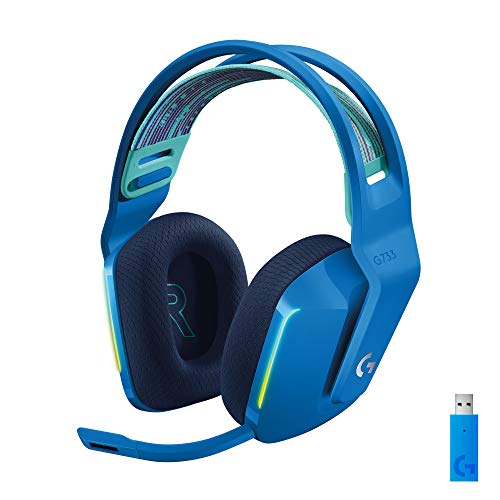
Logitech G733: Lightweight Wireless Option
The Logitech G733 Lightspeed Wireless Gaming Headset uses Logitech’s PRO-G drivers and LIGHTSPEED wireless, with a stated weight of 278 g. The listing gives up to 29 hours of battery life and a wireless range of up to 20 m.
Its suspension headband, memory foam, and G HUB microphone filters may appeal to players seeking a lightweight wireless setup. Console compatibility is listed for PS4, PS5, and docked Nintendo Switch, with stereo sound over the USB wireless dongle.
Pros: Lightweight design, wireless connection, configurable lighting, and stated support for selected consoles. Cons: Its listed PRO-G drivers are not identified as planar magnetic, and the specified console audio is stereo.
Who should skip it: Consider another headset if planar magnetic drivers are non-negotiable or you need documented Xbox compatibility.
EPOS H6Pro Open: Open Acoustic Alternative
The EPOS H6Pro – Open Acoustic Gaming Headset with Mic offers an open acoustic design and a detachable magnetic boom microphone. Its listing names Xbox, PlayStation, and PC compatibility, but does not specify planar magnetic drivers.
The open design is intended to let the wearer hear their own voice naturally without mic monitoring. This wired headset may suit someone who wants an open presentation and removable microphone, rather than wireless features.
Pros: Open acoustic construction, a removable magnetic boom, and listed compatibility across PC and major console families. Cons: The supplied details do not name its driver technology or connection requirements for each platform.
Who should skip it: Skip it if confirmed planar magnetic drivers or detailed connector information are necessary before choosing.
How to Choose a Planar Magnetic Gaming Headset
Confirm the Driver Technology
Check the exact model specifications for an explicit planar magnetic driver claim. In this selection, only the Kithara is identified that way; conventional driver descriptions do not establish planar construction.
Match the Connection to Your Device
The Kithara includes balanced and single-ended plugs plus a USB-C adapter, but verify that your PC, console, DAC, or amplifier accepts the chosen connection. Included connectors do not guarantee every feature works on every device.
For a wireless setup, consider the Razer or Logitech instead, while checking their platform limits first. Razer excludes Xbox, and the Logitech listing describes stereo console audio through its USB wireless dongle.
Decide Whether Open-Back Audio Suits Your Room
The Kithara and EPOS H6Pro are open designs, which prioritize a less enclosed presentation. The supplied information does not quantify sound leakage or isolation, so choose based on whether an open-back headset suits your surroundings.
Separate Advertised Features From Measured Results
This comparison uses the supplied manufacturer specifications, not independent acoustic measurements. Features such as surround sound, driver fidelity, and battery life describe advertised capabilities, not a guarantee of results in every setup.
For broader options beyond planar magnetic models, see our guides to headsets for casual gaming and gaming headsets for Switch.
Which Headset Should You Choose?
Choose the ASUS ROG Kithara if you specifically want documented planar magnetic drivers, an open-back design, and several wired plug options. Choose the Razer for dual-wireless convenience, the Logitech for its listed lightweight wireless design, or the FIFINE for wired USB and 3.5 mm connectivity.
The EPOS H6Pro is an alternative for open acoustics and a removable boom microphone, but its supplied details do not confirm planar drivers. Compare connection needs and platform support before deciding.



Write Your Review
No reviews yet. Be the first to share your experience!