

For a high-end PC, choose a headset for the features you will use, not simply the price or driver size. The Corsair Void RGB Elite is the wireless pick, while the Logitech G432 offers USB DAC and 3.5 mm connections. For a lightweight wired option, consider the Razer BlackShark V2 X.
This comparison is based on the listed specifications and compatibility details, not measured audio performance. Check the connection type and any software requirements against your PC and preferred games before choosing.
Top Gaming Headsets for a High End Build
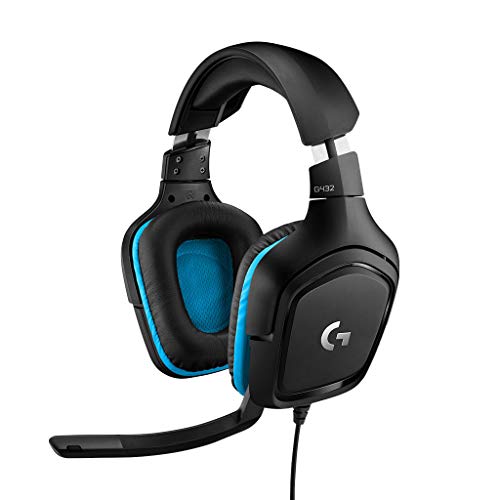
Pros
- Large 50mm audio drivers
- Convenient flip-to-mute 6mm boom microphone
- DTS Headphone:X 2.0 surround sound support
- Versatile 3.5mm and USB DAC connectivity
- Comfortable lightweight frame with rotating ear cups
Cons
- DTS Headphone:X 2.0 requires Logitech G HUB software
- Advanced surround sound unavailable on standard console connections

Pros
- Lightweight 240-gram frame with memory foam padding
- Versatile 3.5 mm cross-platform compatibility
- On-earcup volume wheel for quick adjustments
- Passive noise isolation via closed earcups
- Tuned 50 mm drivers for clear sound separation
Cons
- Wired 3.5 mm cable restricts player movement
- Lacks wireless audio capability

Pros
- Extremely lightweight 0.66-pound frame
- Foldable design enables compact storage
- Comfortable memory foam ear cushions
- Flexible noise-filtering microphone
- Plug-and-play 3.5mm analog connection
Cons
- Requires audio splitter for PC connectivity
- Older Xbox One controllers require separate adapter

Pros
- Wide 20Hz to 30,000Hz frequency response range
- Low-latency 2.4GHz wireless via USB adapter
- Breathable microfiber mesh with memory foam padding
- Flip-up omnidirectional mic with LED mute indicator
- Durable construction featuring aluminum yokes
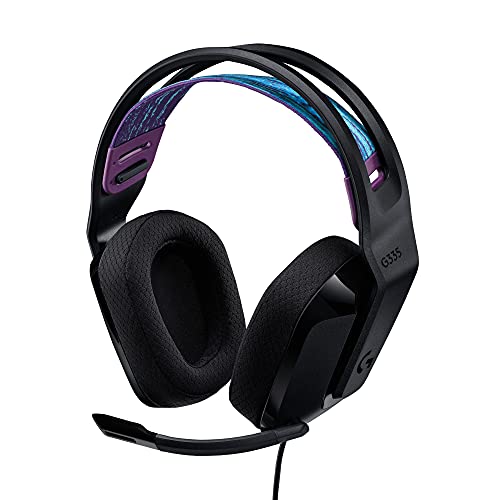
Pros
- Ultra-lightweight 240-gram frame reduces wearing fatigue
- Universal plug-and-play 3.5 mm connectivity
- Convenient flip-to-mute microphone function
- Breathable sports mesh memory foam cushioning
- Discord Certified voice clarity
Cons
- Wired-only connection limits range of motion
- Provides standard stereo output without digital surround virtualization

Pros
- Detachable noise-cancelling microphone
- Large 50mm audio drivers
- Comfortable memory foam ear cushions
- Convenient inline volume and mute controls
- Two-year manufacturer warranty

Pros
- Driverless 7.1 surround sound functionality
- Versatile USB and 3.5mm multi-platform compatibility
- Convenient on-cable controls for EQ, volume, and mic
- Durable stainless steel suspension headband
- Comfortable memory foam and PU leather earcups

Pros
- Lightweight 275-gram design with comfortable memory foam
- Convenient swivel-to-mute microphone mechanism
- On-ear volume controls for quick adjustments
- Includes PC extension cable for dual-jack setups
- Durable adjustable steel headband slider
Cons
- DTS Headphone:X spatial audio license expires after two years
- Spatial audio activation requires redeeming an included code

Pros
- Broad compatibility with modern consoles, mobile, and PC
- 50mm drivers deliver directional audio
- Adjustable microphone with background noise reduction
- Lightweight frame with soft, cushioned earcups
Cons
- Incompatible with PlayStation 3 and Xbox 360
- Older Xbox controllers require an unincluded adapter
How to Choose a Headset for a High-End PC
Start with the connection. A 3.5 mm headset can suit a PC with a compatible audio jack, while USB models may add software-driven features. The Logitech G432 supports both USB DAC and 3.5 mm connections, but its DTS Headphone:X 2.0 feature requires Logitech G HUB software.
Next, decide whether wireless convenience matters more than a direct wired connection. The Corsair Void RGB Elite uses low-latency 2.4GHz wireless with its included USB adapter and lists PC compatibility. Wired models avoid headset battery concerns, but cable reach and the PC’s available ports still matter.
For competitive games, microphone controls, fit, and clear directional cues may matter more than surround-sound labels. Virtual spatial audio depends on compatible software or features, and listed specifications do not establish how accurately a headset reproduces footsteps in a particular game.
Recommended Headsets and Their Trade-Offs
Corsair Void RGB Elite: Wireless PC Use
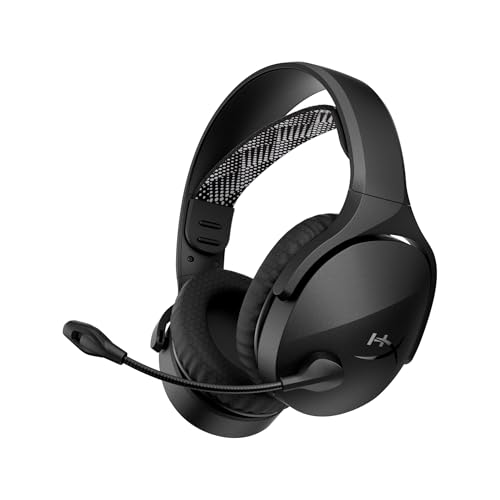
The Corsair Void RGB Elite uses a USB adapter for low-latency 2.4GHz wireless connections to PC or PS4. Its 50 mm drivers have a stated 20Hz to 30,000Hz frequency range, and breathable microfiber mesh with memory foam earpads is intended for extended wear.
The flip-up microphone includes a mute indicator, and aluminum yokes form part of its construction. Its main limitation is the wireless USB-adapter connection: the supplied details do not specify Bluetooth or compatibility with other platforms. Who should skip it: Players who want a wired connection or need verified support for a platform beyond PC and PS4.
Logitech G432: Flexible Wired Connections
The Logitech G432 offers 50 mm drivers and a 6 mm boom microphone that mutes when raised. On PC or Mac, it can connect through a USB DAC or a 3.5 mm cable, giving buyers a choice of connection method.
DTS Headphone:X 2.0 is a software-dependent feature that requires Logitech G HUB. The listed console support varies by connection and does not establish every feature across every platform. Who should skip it: Buyers who want wireless use or prefer not to install software for virtual surround audio.
Razer BlackShark V2 X Wired PlayStation: Lightweight Fit
At a stated 240 g, the Razer BlackShark V2 X is a lightweight wired choice with 3.5 mm connectivity. Its 50 mm TriForce Titanium drivers are designed with separate tuning for highs, mids, and lows, while the bendable cardioid microphone is intended to focus pickup toward the speaker.
Closed earcups and memory foam cushions provide passive isolation, and an on-headset wheel handles volume adjustment. The supplied compatibility details identify PS5 as its primary platform and 3.5 mm support for other popular platforms, but do not list PC-specific software or USB audio. Who should skip it: Anyone who requires wireless audio, a USB connection, or clearly documented PC software features.
HyperX Cloud Stinger 2 Core: Lightweight Spatial-Audio Option
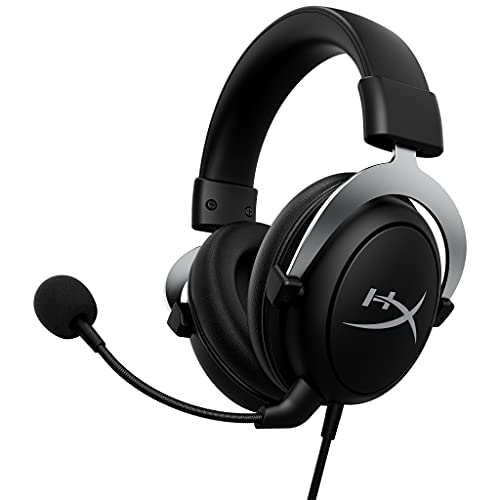
The HyperX Cloud Stinger 2 Core is a wired headset with 40 mm directional drivers, a swivel-to-mute microphone, and controls on the headset. It weighs a stated 275 g and includes an activation code for two years of DTS Headphone:X Spatial Audio.
Its listed compatibility includes PC, current Xbox and PlayStation consoles, Nintendo Switch, and mobile devices with a CTIA connection. A PC extension cable is included. Its 40 mm drivers are smaller than the 50 mm drivers listed for several alternatives, though driver diameter alone does not determine sound quality. Who should skip it: Buyers seeking wireless use or a headset with a documented USB connection.
Logitech G335: Simple Stereo and Low Weight
The Logitech G335 connects through a 3.5 mm audio jack and weighs a stated 240 g. Its 40 mm neodymium drivers deliver stereo sound, while the volume roller and flip-to-mute microphone provide quick physical controls.
It is listed for PC, consoles, and select mobile devices, with compatibility depending on a suitable 3.5 mm connection. It does not offer wireless audio or a stated virtual-surround feature. Who should skip it: Players who want wireless connectivity, software-based spatial audio, or a USB-only headset.
Lenovo Legion H500 PRO: Multiple Audio Profiles
The Lenovo Legion H500 PRO lists 7.1 surround sound, preset audio profiles, and controls for volume and microphone mute. It connects through USB 2.0 or a single 3.5 mm connector, and its retractable noise-canceling microphone can be stored when not in use.
The stated compatibility includes Windows versions, Mac OS X, Xbox One, PS4, and Nintendo Switch. The details do not list PS5 compatibility or explain how its surround features work across different connections. Who should skip it: Buyers who need confirmed PS5 support or a wireless headset.
EKSA E900: Wired Headset with Detachable Microphone
The EKSA E900 has 50 mm drivers, a detachable microphone, an in-line mute switch, and volume adjustment. Its 3.5 mm connection is listed for PC and several consoles, and the stated two-year warranty may appeal to buyers who value a documented warranty period.
The supplied information does not specify a USB connection, wireless mode, or PC audio software. Confirm that your PC has a compatible 3.5 mm input, or that any required adapter is available for your setup. Who should skip it: Players who need wireless audio, USB connectivity, or detailed software controls.
SENZER SG500: Foldable and Portable
The SENZER SG500 folds for storage and uses memory foam padding. Its 3.5 mm plug supports a range of listed devices, including PC, but the product information says PC use requires a 3.5 mm audio splitter. It is a practical format to consider for travel or shared setups.
The listing describes surround sound capability but does not specify a software package or connection that would establish a particular spatial-audio implementation. Who should skip it: PC owners who do not have or want to add the required splitter, or buyers looking for a documented USB or wireless feature set.
Nanddi Gaming Headset: Basic 3.5 mm Compatibility
This wired 3.5 mm headset lists 50 mm drivers, a microphone, and compatibility with PC and several consoles. The listing describes simulated surround sound, but does not provide a named software requirement or enough detail to compare its spatial audio implementation with the software-based options above.
Xbox compatibility may require an adapter, and older Xbox models need a Microsoft adapter that is not included. The listing also excludes Xbox 360 and PS3. Who should skip it: Buyers who need wireless audio, detailed PC software support, or guaranteed Xbox compatibility without checking adapter requirements.
Quick Selection Guide
- Choose wireless convenience: Corsair Void RGB Elite, for its included 2.4GHz USB adapter and stated PC support.
- Choose connection flexibility: Logitech G432, for USB DAC or 3.5 mm use on PC and Mac.
- Choose a lightweight wired design: Razer BlackShark V2 X or Logitech G335, both listed at 240 g.
- Check the PC audio ports first: SENZER SG500 requires a 3.5 mm splitter for PC use, while several other options rely on 3.5 mm audio.
- Prioritize software features carefully: Logitech DTS Headphone:X 2.0 requires G HUB; HyperX includes a DTS activation code. Virtual audio features may depend on installation and connection.
Frequently Asked Questions
Does a high-end PC need a USB gaming headset?
No. A 3.5 mm headset can work if your PC has a compatible audio connection. USB can be useful when a model includes a USB DAC or software features, but connection options vary by headset.
Is virtual surround sound necessary for competitive gaming?
No single feature guarantees better positional awareness. Compare the headset’s connection, software requirements, and microphone controls, and remember that listed surround capabilities are not independent measurements of in-game accuracy.
Final Recommendation
For wireless PC play, the Corsair Void RGB Elite is the clearest fit in this selection because its 2.4GHz USB adapter and PC compatibility are specified. Choose the Logitech G432 if you want USB DAC and 3.5 mm options, or the Razer BlackShark V2 X for a lightweight wired headset. Before buying, verify your ports, platform needs, and willingness to use any required software or adapter. For more options, see our guide to headsets for casual gaming and browse the gaming headsets category.


Write Your Review
No reviews yet. Be the first to share your experience!