
A gaming mouse serves as the primary physical bridge between your hand and your in-game crosshair. While manufacturers often highlight high DPI figures, practical aiming performance depends on sensor tracking consistency, total shell weight, switch responsiveness, and ergonomic shape.
We evaluated current models by analyzing documented technical specifications, hardware component sheets, and verified design trade-offs. Whether you need an ultralight shell for fast flicking in tactical shooters or extra programmable inputs for macro-heavy titles, this comparison outlines the most reliable options.
Pros
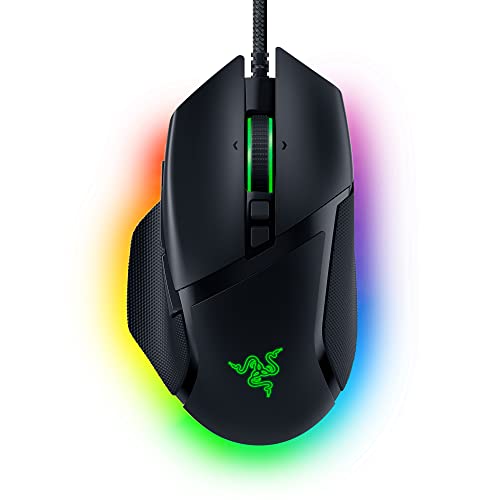
- 11 programmable buttons for comprehensive macro control
- Dual-mode HyperScroll tilt wheel enhances versatility
- High-resolution 26K DPI optical sensor
- Responsive optical switches rated for 70 million clicks
- 11 independently customizable RGB lighting zones
Cons
- Tethered wired cable restricts cable-free mobility
- Ergonomic thumb rest form factor excludes left-handed users

Pros
- Lightweight 67g honeycomb chassis
- Responsive Pixart 3360 optical sensor
- Flexible paracord cable minimizes drag
- Virgin PTFE mouse skates provide smooth gliding
- Durable Omron switches rated for 20M clicks
Cons
- Tethered wired connection limits movement range
- Designed primarily for medium and large hands

Pros
- Extremely lightweight 59g ergonomic frame
- High-speed 8000 Hz polling rate support
- Durable optical switches rated for 90 million clicks
- Flexible Speedflex cable reduces drag
- Optical sensor tracks effectively on glass
Cons
- Permanent cable connection limits placement flexibility
- Advanced settings require Razer Synapse software

Pros
- Ultralight 60g symmetrical build
- Accurate 32,000 DPI Hero 2 sensor
- Durable LIGHTFORCE hybrid optical-mechanical switches
- Long 95-hour battery life with USB-C
- High-performance 2K polling capability
Cons
- Limited to five programmable buttons

Pros
- Ultra-lightweight 54-gram balanced design
- Focus Pro 35K Gen-2 optical sensor
- Wireless polling rates up to 8000 Hz
- Fast Gen-3 optical switches rated for 90M clicks
- Up to 95 hours of battery life

Pros
- 8,000 DPI sensor with zero smoothing
- Crisp spring-tensioned mechanical primary buttons
- Six fully programmable buttons
- Customizable LIGHTSYNC RGB illumination
- Long 6.89-foot USB cable
Cons
- Tethered cable restricts placement compared to wireless mice
- Full button and lighting customization requires Logitech G HUB
Technical Comparison of Top Gaming Mice
Choosing the correct pointer requires balancing physical weight against switch architecture and polling capability. The table below details the core engineering specifications across our top-rated selections.
| Model | Weight | Sensor | Polling Rate | Switch Type | Interface |
|---|---|---|---|---|---|
| Razer Viper V3 Pro | 54g | Focus Pro 35K Gen-2 | Up to 8000 Hz | Optical Gen-3 | Wireless (HyperSpeed) / USB-C |
| Logitech G PRO X Superlight 2 | 60g | HERO 2 (32,000 DPI) | Up to 2000 Hz | LIGHTFORCE Hybrid | Wireless (LIGHTSPEED) / USB-C |
| Razer DeathAdder V3 | 59g | Focus Pro 30K | Up to 8000 Hz | Optical Gen-3 | Wired (Speedflex) |
| Glorious Model O | 67g | Pixart 3360 | 1000 Hz | Mechanical (Omron 20M) | Wired (Ascended Paracord) |
| Razer Basilisk V3 | 101g | Focus+ 26K | 1000 Hz | Optical Gen-2 | Wired (Speedflex) |
| Logitech G203 | 85g | Mercury-class 8,000 DPI | 1000 Hz | Mechanical Spring-Tensioned | Wired (USB-A) |
Detailed Product Breakdown
1. Razer Viper V3 Pro Wireless Esports Gaming Mouse
The Razer Viper V3 Pro features a stripped-down symmetrical chassis weighing only 54 grams. It houses the Focus Pro 35K Gen-2 optical sensor, supporting single-step DPI adjustments and glass-surface tracking. Razer pairs this hardware with native 8000 Hz wireless HyperPolling through its dedicated dongle.
Optical Gen-3 switches eliminate mechanical debounce delays and prevent double-clicking failures over extended use. The 95-hour battery life operates at standard polling, though operating continuously at 8000 Hz drains charge considerably faster. Competitive claw and fingertip grippers benefit most from its balanced center of gravity.
2. Logitech G PRO X Superlight 2 Lightspeed
The Logitech G PRO X Superlight 2 refines an iconic shape with a 60-gram unperforated shell. It incorporates LIGHTFORCE hybrid optical-mechanical switches, blending the zero-latency actuation of optical beams with tactile mechanical feedback. The HERO 2 sensor delivers consistent tracking across 500+ IPS speeds without smoothing.
Logitech upgraded the connection to USB-C charging and boosted wireless polling capability to 2000 Hz. The chassis relies on a conservative, neutral profile that accommodates palm, claw, and hybrid grip styles comfortably. However, users seeking more than five total buttons or Bluetooth versatility must look elsewhere.
3. Razer DeathAdder V3 Wired Gaming Mouse
The Razer DeathAdder V3 provides an ergonomic right-handed contour tailored for medium-to-large hands. Weighing 59 grams without shell cutouts, it uses a lightweight Speedflex cable that prevents drag across your desk pad. It integrates the Focus Pro 30K sensor alongside 8000 Hz wired HyperPolling.
By relying entirely on a high-speed USB interface, it removes battery maintenance and weight penalties. The sculpted right-side ledge provides stable palm support during prolonged tracking tasks in first-person shooters. Left-handed gamers cannot use this asymmetrical shape, making an ambidextrous mouse necessary for southpaw setups.
4. Glorious Model O Wired Gaming Mouse
The Glorious Model O achieves its 67-gram weight through a ventilated honeycomb top and bottom shell. It runs on the proven Pixart 3360 optical sensor, which provides native 1000 Hz polling and sub-0.7mm lift-off distance. Pure virgin PTFE skate pads deliver exceptionally low dynamic friction on cloth and hard mousepads.
Its low-profile ambidextrous body suits fingertip and claw grips, allowing rapid direction changes in fast-paced arena shooters. The open chassis design increases airflow to the palm but exposes internal switch boards to ambient dust over time. Mechanical 20-million click Omron switches provide crisp actuation, though they lack the durability of optical designs.
5. Razer Basilisk V3 Customizable Ergonomic Mouse
The Razer Basilisk V3 prioritizes ergonomic support, feature density, and customization over raw weight reduction. Its contoured chassis includes an extended thumb rest, 11 programmable input points, and 11 customizable RGB lighting zones. The central highlight is the HyperScroll tilt wheel, which alternates between tactile cycling and free-spinning momentum modes.
At 101 grams, the heavier build is less suited for low-sensitivity tactical shooters but excels in mixed workloads, role-playing games, and productivity tasks. If your playstyle demands dedicated macro clusters, pairing this pointer with a dedicated setup described in our guide to MMO gaming mice offers maximum command versatility.
6. Logitech G203 Wired Gaming Mouse
The Logitech G203 serves as an accessible entry point into competitive tracking hardware. Built inside an egg-shaped ambidextrous housing, it uses an 8,000 DPI optical sensor with reliable tracking across moderate acceleration speeds. Primary left and right buttons feature metal spring tensioning to ensure consistent travel and rapid click resets.
The 85-gram construction provides solid rigidity without relying on expensive lightweight composites. While its standard rubber cable generates more friction than modern braided paracords, it remains a reliable choice when assembling components on a strict budget, such as following our advice on how to build an ultimate battlestation on a budget.
Key Factors When Choosing a Gaming Mouse
Selecting the optimal pointer requires evaluating how technical specifications influence real physical comfort and accuracy during play.
Sensor Fidelity and Polling Rate
Modern sensors like the Pixart 3360, Logitech HERO 2, and Razer Focus Pro provide accurate 1:1 tracking without hardware acceleration or angle snapping. High DPI figures above 4,000 serve little practical purpose since most competitive players calibrate between 400 and 1,600 DPI. Polling rates of 2000 Hz to 8000 Hz lower input latency slightly, but require modern high-refresh displays and capable multi-core CPUs to avoid micro-stuttering.
Shape, Size, and Grip Style
Shell geometry directly dictates your aiming stability and grip fatigue:
- Palm Grip: Demands higher rear humps and ergonomic curves like the DeathAdder V3 to support the entire hand surface.
- Claw Grip: Requires moderate rear palm contact and defined waist indents, making the Logitech G PRO X Superlight 2 or Glorious Model O ideal.
- Fingertip Grip: Works best with flat, ultra-compact profiles like the Viper V3 Pro where the palm avoids making contact with the shell.
Switch Architecture and Longevity
Mechanical switches rely on physical metal contact leaves, which can degrade or oxidize over time and produce unintentional double-clicks. Optical switches, such as those found on modern Razer mice and hybrid Logitech designs, actuate using an infrared light beam. This light-based actuation prevents double-clicking and provides millisecond-level responsiveness, matching the longevity principles seen when analyzing mechanical keyboard switches.
Frequently Asked Questions
Does an 8000 Hz polling rate make a noticeable difference?
An 8000 Hz polling rate reduces reporting intervals from 1ms down to 0.125ms, providing smoother cursor tracks on 240 Hz or higher gaming monitors. However, higher polling rates demand increased CPU processing overhead and shorten wireless battery life. Most players find standard 1000 Hz or 2000 Hz polling completely responsive for competitive play.
Are lightweight mice durable enough for daily gaming?
Yes, modern solid-shell mice weighing under 65 grams achieve structural strength through reinforced internal ribs and optimized plastics. Enclosed ultralight shells, like those on the Viper V3 Pro and Superlight 2, resist structural flexing without exposing sensitive circuit boards to dust or moisture.
Final Verdict: Which Gaming Mouse Should You Choose?
For tournament-level wireless performance, the Logitech G PRO X Superlight 2 remains the safest recommendation due to its balanced 60-gram weight, neutral ergonomics, and reliable hybrid switches. Gamers who prioritize maximum tracking speed and native high-polling wireless should opt for the 54-gram Razer Viper V3 Pro.
If you prefer a wired, low-maintenance setup with premier palm ergonomics, the Razer DeathAdder V3 provides unmatched comfort and speed. Meanwhile, budget-conscious setups are served reliably by the durable Logitech G203, and heavy macro users will benefit from the versatile Razer Basilisk V3.