

Finding the best gaming monitors under $500 no longer requires settling for basic edge-lit panels or modest refresh speeds. Within this competitive price category, buyers can now choose between ultra-responsive 240Hz QD-OLED panels, pixel-dense 4K IPS screens with high refresh ceilings, and advanced Mini-LED backlights with individual dimming zones.
The primary decision hinges on whether your gaming setup prioritizes competitive motion clarity, screen size, or crisp native rendering resolution. Fast-paced shooters benefit most from the instant pixel response of OLED panels, while simulation titles and productivity setups often gain more from 4K resolution or immersive curves. If you want a wider selection of 1440p options, you can also explore our guide to the best 1440p gaming monitors for specialized resolution choices.
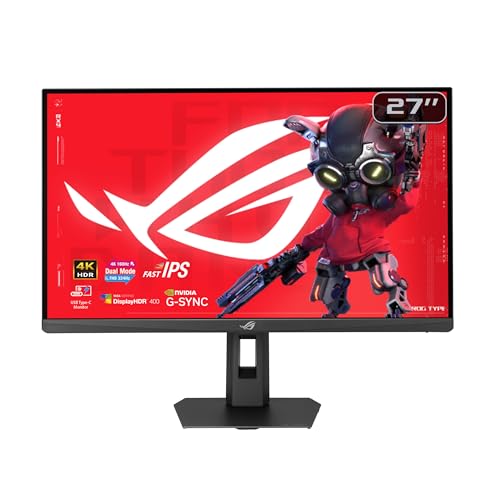
Pros
- Dual display modes supporting up to 324Hz at FHD
- Fast IPS panel with wide 95% DCI-P3 coverage
- ELMB Sync eliminates motion blur alongside variable refresh rates
- USB-C input with DisplayPort Alt Mode support
- Three-year manufacturer warranty with advance replacement

Pros
- Fast 320Hz refresh rate at 4K resolution
- 1,152-zone Mini-LED full-array local dimming
- Rapid IPS panel ensures vibrant color accuracy
- AMD FreeSync Premium Pro and G-SYNC compatible
- Low 0.5ms minimum GtG response time
Cons
- Stand adjustment is limited to tilt only
- Substantial overall weight at 18.08 pounds
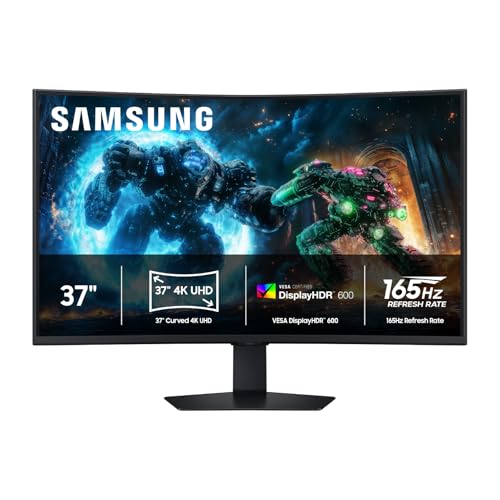
Pros
- Sharp 4K UHD resolution across a large 37-inch screen
- Fluid 165Hz refresh rate for fast-paced gaming
- Rapid 1ms GtG response time reduces motion blur
- Immersive 1000R curved profile
- VESA DisplayHDR 600 delivers enhanced dynamic range
Cons
- Deep 12-inch footprint requires considerable desk space
- Substantial 24.7-pound weight requires a sturdy mounting surface

Pros
- Rapid 240Hz refresh rate and 0.03ms response time
- True blacks and wide color coverage from QD-OLED
- NVIDIA G-SYNC Compatible support
- HDMI 2.1 and DisplayPort 1.4 video inputs
- Fully adjustable stand with integrated USB 3.2 hub

Pros
- Rapid 240Hz refresh rate with 0.03ms response time
- Vibrant QD-OLED panel with Pantone Validated color accuracy
- Glare Free surface treatment minimizes ambient reflections
- OLED Safeguard thermal modulation helps mitigate burn-in risk
- Fully adjustable stand with height, swivel, tilt, and pivot

Pros
- Fast 240Hz refresh rate and 0.03ms response time
- Dual HDMI 2.1 and DisplayPort 1.4 connections
- NVIDIA G-SYNC and AMD FreeSync Premium Pro support
- VESA DisplayHDR True Black 400 certification
- Fully adjustable stand with pivot capability
Cons
- Modest standard brightness rating of 275 nits
- Requires periodic maintenance cycles to mitigate image retention
Quick Recommendation Summary
Different gaming configurations demand distinct display compromises to stay under a strict budget limit. To help narrow down the field, here is how the top selections align with specific gaming goals:
- Best Overall 1440p OLED Value: AOC 27″ Gaming Monitor QHD 240Hz QD OLED NVIDIA delivers true blacks, 240Hz motion clarity, and a fully ergonomic stand with an integrated USB hub.
- Best 4K High-Density Display: ASUS ROG XG27UCSR 27 Inch 4K 162Hz USB-C G-SYNC provides sharp 3840×2160 visuals alongside a dual-mode 1080p 324Hz switch for competitive gaming.
- Best Mini-LED HDR Brightness: msi MPG 274URDFW E16M 27-inch 3840 x 2160 (UHD) features 1,152 local dimming zones to balance intense highlights with deep black levels.
- Best Immersive Curved Screen: Samsung 37” Odyssey G7 (G75F) delivers an expansive 37-inch curved form factor at 4K resolution for cockpit sims and wide-view gaming.
- Best Premium 240Hz QD-OLED Build: Samsung 27″ Odyssey OLED G6 (G61SH) QD-OLED features anti-glare screen treatment, integrated thermal burn-in safeguards, and Pantone color validation.
- Best Glossy Panel Clarity: LG 27GX704A-B 27-inch Ultragear QHD (2650×1440) pairs a vibrant glossy OLED coating with HDMI 2.1 support and true 0.03ms pixel transitions.
Individual Monitor Reviews
1. ASUS ROG XG27UCSR 27 Inch 4K 162Hz USB-C G-SYNC
The ASUS ROG XG27UCSR 27 Inch 4K 162Hz USB-C G-SYNC serves players who split time between graphic-intensive story titles and fast competitive esports. Its standout feature is dual-mode switching, allowing users to run native 4K at 160Hz or drop to 1080p at 324Hz when maximum frame rates matter. The Fast IPS panel claims a minimum 0.3ms response time to maintain sharpness during intense camera pans.
Visual presentation is bolstered by 95% DCI-P3 color coverage and ELMB Sync, which pairs backlight strobing with variable refresh rates to eliminate tearing. Connectivity includes a USB Type-C port supporting DisplayPort Alternate Mode, making desktop cable management straightforward for modern laptops and graphics cards. However, players looking for true HDR highlights will find that standard IPS edge lighting cannot match the localized contrast of OLED alternatives.
2. msi MPG 274URDFW E16M 27-inch 3840 x 2160 (UHD)
The msi MPG 274URDFW E16M 27-inch 3840 x 2160 (UHD) stands apart in this price range by integrating full-array local dimming. Backed by 1,152 discrete Mini-LED dimming zones, this 27-inch monitor minimizes haloing around bright game assets while achieving deeper blacks than standard LCD monitors can muster. A high 320Hz refresh rate ceiling ensures that motion remains fluid across both desktop and gaming tasks.
MSI integrates an automated AI Dual Mode that shifts refresh rates seamlessly when game resolutions change, alongside Rapid IPS technology rated for 0.5ms GtG response times. The unit supports both AMD FreeSync Premium Pro and NVIDIA G-Sync Compatible standards for tear-free gaming. While local dimming greatly improves contrast, extreme viewing angles can still introduce slight blooming around small white HUD elements in very dark scenes.
3. Samsung 37” Odyssey G7 (G75F)
Gamers wanting an expansive visual field without purchasing an ultra-wide display should examine the Samsung 37” Odyssey G7 (G75F). Offering a substantial 37-inch display footprint, this monitor curves at an aggressive 1000R radius to fill your peripheral vision during simulation titles and open-world adventures. The 3840×2160 UHD native resolution maintains adequate pixel density even on this larger screen size.
Samsung matches the 4K panel with a 165Hz refresh rate and a 1ms gray-to-gray response time, which keeps motion reasonably sharp for general gaming. VESA DisplayHDR 600 certification ensures higher peak brightness than baseline gaming screens, producing brighter highlights in daytime virtual environments. Keep in mind that the dramatic 1000R curve takes up significant desk depth and may not suit users who frequently edit straight-line graphics or spreadsheets.
4. AOC 27″ Gaming Monitor QHD 240Hz QD OLED NVIDIA
The AOC 27″ Gaming Monitor QHD 240Hz QD OLED NVIDIA demonstrates how accessible self-emissive panel technology has become. Utilizing a 2560×1440 QD-OLED panel, the monitor achieves true infinite contrast because each pixel turns completely off when displaying black. Color vibrancy is exceptionally high, backed by a rated 110% DCI-P3 and 147% sRGB color gamut coverage.
Motion performance is practically instantaneous with a 0.03ms response time that completely eliminates pixel overdrive ghosting at 240Hz. The monitor includes modern HDMI 2.1 and DisplayPort 1.4 connections, plus an ergonomic stand supporting height, tilt, swivel, and pivot adjustments. The primary caution is standard OLED panel maintenance, as prolonged static desktop elements require thoughtful usage habits to preserve panel longevity.
5. Samsung 27″ Odyssey OLED G6 (G61SH) QD-OLED
Built specifically for responsive competition, the Samsung 27″ Odyssey OLED G6 (G61SH) QD-OLED packages premium display engineering into a compact 27-inch frame. Its 2560×1440 QD-OLED panel delivers 240Hz refresh rates alongside a rapid 0.03ms response time for blur-free tracking in fast competitive shooters. Samsung applies a proprietary Glare Free surface treatment that cuts room reflections without muddying color vibrancy.
To address OLED durability, the G6 integrates a thermal modulation safeguard system designed to dissipate heat and actively combat static image burn-in. It also features Pantone validation across 2,100 colors and an ergonomic stand with extensive height, tilt, and swivel travel. As with most 1440p QD-OLED panels, text fringing can be faintly noticeable in office applications due to the subpixel arrangement, though it remains imperceptible in games.
6. LG 27GX704A-B 27-inch Ultragear QHD (2650×1440)
The LG 27GX704A-B 27-inch Ultragear QHD (2650×1440) takes a different path by incorporating a glossy panel finish on an OLED screen. This glossy treatment preserves clarity and prevents the slight graininess that aggressive matte coatings can introduce over bright backgrounds. The panel achieves up to 1300 nits of peak brightness in HDR, backed by VESA DisplayHDR True Black 400 certification.
Performance remains elite with a 240Hz refresh rate, 0.03ms response time, and 98.5% DCI-P3 color gamut coverage. Port selection is well rounded for modern platforms, offering dual HDMI 2.1 inputs, DisplayPort 1.4, and a dual-port USB 3.2 hub for external peripherals. While the glossy finish maximizes visual pop in dim gaming rooms, it will reflect direct light from windows or exposed bulbs positioned directly behind the player.
Key Specifications Comparison
Evaluating raw specifications helps identify the right monitor for your specific GPU power and gaming preferences. The table below outlines key documented attributes across all 6 models:
| Model | Panel Type | Resolution | Max Refresh Rate | Response Time | Key Strength |
|---|---|---|---|---|---|
| ASUS ROG XG27UCSR | Fast IPS | 3840 x 2160 | 162Hz (324Hz FHD) | 0.3ms (min) | Dual-mode 4K/FHD switching |
| msi MPG 274URDFW E16M | Rapid IPS Mini-LED | 3840 x 2160 | 320Hz | 0.5ms (GtG) | 1,152 local dimming zones |
| Samsung Odyssey G7 (G75F) | Curved VA / LCD | 3840 x 2160 | 165Hz | 1ms (GtG) | 37-inch 1000R immersive curve |
| AOC Q27GAZDV | QD-OLED | 2560 x 1440 | 240Hz | 0.03ms | Extreme color gamut and low price |
| Samsung Odyssey OLED G6 | QD-OLED | 2560 x 1440 | 240Hz | 0.03ms | OLED Safeguard and anti-glare |
| LG 27GX704A-B UltraGear | OLED | 2560 x 1440 | 240Hz | 0.03ms | Glossy finish and 1300 nit peak HDR |
How to Choose a Gaming Monitor Under $500
Purchasing a monitor in this budget tier requires prioritizing certain display capabilities over others. By understanding how panel types, resolution targets, and connectivity interact, you can avoid paying for features your current system cannot leverage.
OLED vs. Mini-LED vs. Fast IPS Panels
Panel technology dictates contrast, brightness, and pixel responsiveness. QD-OLED and standard OLED panels offer per-pixel illumination, meaning pixels switch off completely to produce true blacks and zero motion ghosting. However, OLED displays generally feature lower sustained full-screen brightness and carry a slight risk of burn-in if used primarily for static productivity tasks.
Mini-LED panels, like the one in the MSI MPG 274URDFW, bridge the contrast gap by using hundreds of individual backlight zones behind an IPS panel. This delivers very high sustained brightness for vibrant daylight rooms without risk of burn-in, though minor blooming can appear around high-contrast edges. Traditional Fast IPS panels remain dependable workhorses, offering predictable longevity, wide viewing angles, and affordable access to high refresh rates.
Matching Resolution to Graphics Hardware
Display resolution directly affects your graphics card workload. Running modern games natively at 4K (3840×2160) requires considerable GPU power to sustain frame rates near 160Hz. If your graphics card belongs to an entry-level or mid-range tier, a 1440p monitor running at 240Hz provides a cleaner balance between sharp imagery and steady frame pacing.
Displays featuring dual-mode firmware, such as the ASUS ROG XG27UCSR, provide an adaptable middle ground. You can render immersive single-player games at native 4K, then switch the monitor to 1080p at over 300Hz when playing competitive multiplayer titles where every millisecond counts. If you are also interested in ultra-wide aspect ratios for broader peripheral visibility, review our breakdown of the best ultrawide monitors to see how they compare.
Display Connectivity and Console Support
Modern gaming displays require bandwidth capable of driving both high resolutions and rapid refresh rates simultaneously. DisplayPort 1.4 with Display Stream Compression (DSC) remains standard for PC graphics cards, handling high-bandwidth feeds reliably. If you intend to connect a modern console like a PlayStation 5 or Xbox Series X alongside your PC, ensure the monitor includes full HDMI 2.1 ports to enable 4K 120Hz or 1440p 120Hz output with variable refresh rate support.
Frequently Asked Questions
Is 4K or 1440p better for a gaming monitor under $500?
The right choice depends entirely on your GPU horsepower and preferred game genres. If you play competitive shooters and want instantaneous pixel response, 1440p 240Hz OLED monitors offer superior motion clarity. If you play visually demanding RPGs or use your monitor for productivity, 4K at 27 to 37 inches yields vastly sharper text and finer environmental details.
Can an OLED monitor be safely used for daily office work?
Modern OLED monitors feature automated pixel shifting, thermal throttling, and logo dimming to protect against burn-in. Even so, running static spreadsheets or browser windows for eight hours a day can accelerate panel wear over several years. Buyers spending equal time working and gaming often find Mini-LED or Fast IPS screens safer long-term choices.
Do I need HDMI 2.1 for PC gaming?
PC gamers primarily use DisplayPort 1.4 to reach high refresh ceilings with adaptive sync enabled. HDMI 2.1 becomes essential primarily when connecting current-generation gaming consoles or running modern graphics cards directly to high-bandwidth display inputs without relying on DSC compression.
Final Verdict: Which Under-$500 Monitor Should You Buy?
Selecting among the best gaming monitors under $500 comes down to identifying which trade-off serves your gaming habits best. If motion clarity, deep contrast, and esports responsiveness are your top priorities, choose the AOC 27″ Gaming Monitor QHD 240Hz QD OLED NVIDIA for its unbeatable price-to-performance ratio, or the LG 27GX704A-B 27-inch Ultragear QHD (2650×1440) if you prefer a glossy panel finish.
For players who want exceptional brightness and true HDR punch without any risk of static burn-in, the msi MPG 274URDFW E16M 27-inch 3840 x 2160 (UHD) with 1,152 Mini-LED dimming zones is the clear standout. Finally, if you need hybrid flexibility between competitive frame rates and dense 4K visuals, the ASUS ROG XG27UCSR 27 Inch 4K 162Hz USB-C G-SYNC offers unmatched versatility through its native dual-mode resolution switching.


Write Your Review
No reviews yet. Be the first to share your experience!