

The right gaming headset depends first on how you connect and play. For straightforward wired use, compare the Logitech G432 and Razer BlackShark V2 X models; for wireless flexibility, consider Turtle Beach, Logitech, NUBWO, AOC, and Ozeino options.
This roundup evaluates the supplied specifications, compatibility notes, and practical trade-offs. Software features, wireless modes, and platform support vary, so confirm the connection type your setup requires before choosing.
Pros
- Large 50mm audio drivers
- Convenient flip-to-mute 6mm boom microphone
- DTS Headphone:X 2.0 surround sound support
- Versatile 3.5mm and USB DAC connectivity
- Comfortable lightweight frame with rotating ear cups
Cons
- DTS Headphone:X 2.0 requires Logitech G HUB software
- Advanced surround sound unavailable on standard console connections

Pros
- Lightweight 240g frame for extended comfort
- Broad compatibility via standard 3.5mm audio jack
- TriForce 50mm drivers for distinct frequency tuning
- Cardioid microphone with targeted voice pickup
Cons
- Surround sound requires Windows 10 64-bit
- Xbox One may require a separate stereo adapter

Pros
- Dual 2.4GHz and Bluetooth 5.2 wireless connectivity
- Up to 40 hours of rated battery life
- Companion app support with 10-band EQ customization
- Flip-to-mute microphone with variable mic monitoring
- Lightweight floating headband with memory foam cushions
Pros
- Wide compatibility across consoles, PC, and mobile
- Adjustable 360-degree noise-cancelling microphone
- Comfortable padded protein ear cushions
- Includes 3.5mm PC splitter cable
Cons
- USB connection required solely for LED lighting
- Older Xbox One controllers require an unincluded adapter

Pros
- Lightweight 240-gram frame with memory foam padding
- Versatile 3.5 mm cross-platform compatibility
- On-earcup volume wheel for quick adjustments
- Passive noise isolation via closed earcups
- Tuned 50 mm drivers for clear sound separation
Cons
- Wired 3.5 mm cable restricts player movement
- Lacks wireless audio capability

Pros
- Advertised 80-hour battery life with quick charging
- Versatile 2.4GHz wireless and Bluetooth 5.2 connectivity
- Glasses-friendly memory foam ear cushions
- Flip-to-mute microphone with AI noise reduction
- Comprehensive 10-band EQ customization via Swarm II
Cons
- Lacks Xbox console compatibility
- QuickSwitch toggles connections instead of simultaneous audio mixing

Pros
- Versatile 2.4GHz, Bluetooth, and 3.5mm connections
- Up to 100-hour rated battery life
- Simultaneous Bluetooth pairing for incoming mobile calls
- Large 50mm composite diaphragm drivers
Cons
- Xbox consoles require a wired 3.5mm connection
- Wireless functionality on consoles requires USB dongle

Pros
- Low-latency 2.4GHz wireless audio
- Up to 45 hours of battery life
- Versatile 2.4GHz, Bluetooth, and 3.5mm connectivity
- Detachable noise-canceling microphone
- Comfortable memory-protein ear cushions
Cons
- Xbox consoles require 3.5mm wired connection
- PlayStation does not support Bluetooth audio mode
- RGB lighting reduces battery life to 20 hours
Pros
- Lightweight 278g frame ensures long-wearing comfort
- Up to 29 hours of battery life
- Low-latency wireless audio up to 20 meters
- Plush dual-layer memory foam ear cushions
- Customizable front-facing LIGHTSYNC RGB lighting
Cons
- Console compatibility is limited to stereo audio
- Nintendo Switch compatibility requires docked mode
Pros
- Ultra-low latency 2.4GHz wireless connection under 30ms
- Long-lasting battery rated for up to 40 hours
- 50mm audio drivers for clear gaming sound
- Integrated on-ear volume and microphone mute controls
- Versatile connectivity across 2.4GHz, Bluetooth, and 3.5mm
Cons
- Not compatible with any Xbox consoles
- Native Bluetooth unsupported on PC, Mac, and PlayStation
- 3.5mm wired mode limited to music and calls
How These Gaming Headsets Differ
Wired 3.5 mm headsets avoid battery management and can work across several devices, but they keep you tethered. Wireless models provide more freedom, though compatibility may depend on a USB dongle, Bluetooth, or a specific console connection.
Virtual surround sound and spatial-audio features are not interchangeable with proven competitive performance. Some listed effects require software or a supported operating system, and the supplied specifications do not provide independent measurements of sound quality.
Recommended Gaming Headsets
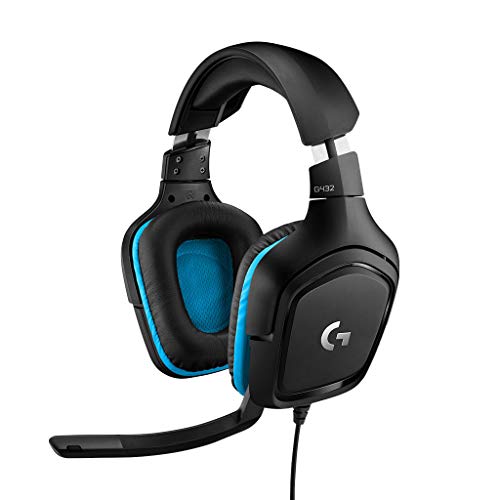
Logitech G432 Wired Gaming Headset: Flexible Wired Connections
The Logitech G432 combines 50 mm drivers with a 6 mm flip-up mute boom microphone. It connects to PC or Mac through a USB DAC or 3.5 mm cable, and the supplied compatibility notes also list PlayStation and Nintendo Switch support with connection-specific limitations.
DTS Headphone:X 2.0 spatial audio requires Logitech G HUB software, so that feature is most relevant to users willing to configure software on a compatible setup. Its rotating ear cups and leatherette padding are useful comfort-oriented design details, not a guarantee of fit for every listener.
Pros: USB DAC and 3.5 mm connection options; flip-up microphone mute; documented support for several platforms. Cons: DTS Headphone:X 2.0 requires G HUB, and PlayStation or docked Switch wireless stereo notes do not mean this is a wireless headset. Who should skip it: Skip it if you want wireless play or do not want to use Logitech software for its surround feature.
Compare more headsets for casual gaming if comfort and everyday use matter more than platform-specific gaming features.
Logitech G432 Wired Gaming Headset – Black
Razer BlackShark V2 X: Lightweight Wired Option
The Razer BlackShark V2 X uses 50 mm TriForce Titanium drivers and a cardioid HyperClear microphone. Its 3.5 mm connection is listed for PC, Mac, PS4, Xbox One, and Nintendo Switch, while software-enabled 7.1 surround sound is limited to Windows 10 64-bit.
The listed 240 g weight and breathable foam cushions may appeal to players prioritizing a lightweight design. Closed earcups and passive noise isolation can help reduce sound leakage, but they do not provide active noise cancellation.
Pros: Broad 3.5 mm compatibility; cardioid microphone; lightweight construction. Cons: The virtual surround feature has a Windows-specific requirement, and an Xbox One stereo adapter may be needed separately. Who should skip it: Skip it if you need wireless connectivity or expect surround software to work across every platform.
See PC gaming keyboard and mouse options when planning a wired desk setup around your headset.
Razer BlackShark V2 X Gaming Headset
Turtle Beach Stealth 500: Wireless and Bluetooth Switching
The Turtle Beach Stealth 500 combines low-latency 2.4 GHz wireless with Bluetooth 5.2 and a QuickSwitch button. Its stated 40-hour battery life, variable mic monitoring, EQ modes, and companion app features suit players who want configurable wireless audio across supported devices.
The Swarm II app offers a 10-band EQ, while the headset also lists Turtle Beach Superhuman Hearing. These are adjustment and sound-mode features, not independently verified advantages in a particular game; check platform support and app requirements for your intended setup.
Pros: Two wireless connection types; mic monitoring; stated 40-hour battery life; app-based EQ. Cons: Wireless features require compatible devices, and the supplied details do not specify a 3.5 mm wired mode. Who should skip it: Skip it if you need a confirmed wired fallback or prefer a headset without companion-app features.
Turtle Beach Stealth 500 Wireless Amplified
Razer BlackShark V2 X Wired PlayStation: Simple 3.5 mm Audio
This PlayStation-oriented BlackShark V2 X version features 50 mm TriForce Titanium drivers, a bendable cardioid microphone, memory foam cushions, and an on-headset volume wheel. Its 3.5 mm jack also allows use with other popular platforms, subject to device-specific connector support.
The listed 240 g weight and closed earcups suit users seeking a lightweight wired design with passive isolation. The supplied details do not specify a software surround feature for this particular version, so do not assume it matches every feature of the other BlackShark V2 X listing.
Pros: Straightforward 3.5 mm connection; physical volume wheel; flexible microphone; memory foam padding. Cons: It is wired, and compatibility through its jack depends on the target device. Who should skip it: Skip it if you want wireless audio or need clearly specified virtual surround software.
Razer BlackShark V2 X Wired PlayStation
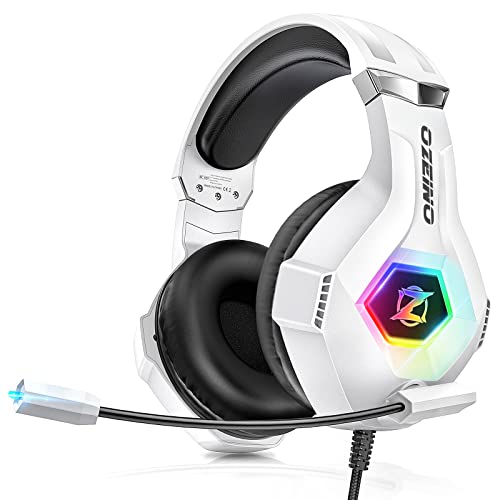
Ozeino Gaming Headset for PC, Ps4, Ps5: Low-Cost Wired Connectivity
This Ozeino wired headset lists 3.5 mm compatibility with PC, PlayStation, Xbox, Switch, laptops, and mobile devices. Its microphone rotates, and the USB connector powers the RGB lighting only; PC users should connect the included audio and microphone splitter as directed.
The product describes 7.1 surround sound, but the supplied information does not clarify the processing method or platform requirements. Xbox One users with an older controller may need a separate Microsoft adapter, so check the controller before relying on direct connection.
Pros: Wide stated 3.5 mm support; rotatable noise-canceling microphone; RGB lighting. Cons: PC setup needs the audio splitter, and USB is for lighting rather than the audio connection. Who should skip it: Skip it if you want a wireless headset or need clearly documented surround processing across platforms.
Ozeino Gaming Headset for PC, Ps4, Ps5
Turtle Beach Stealth 600: Long Listed Battery Life
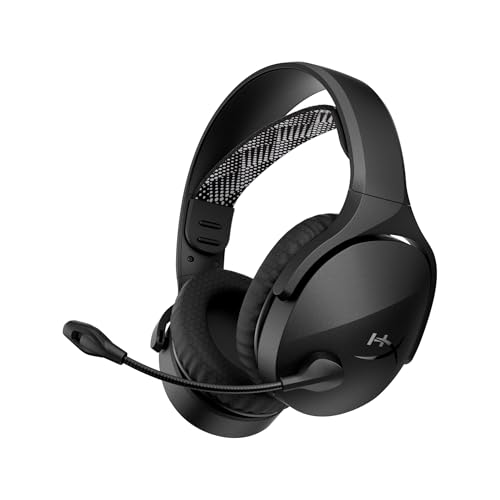
The Turtle Beach Stealth 600 lists low-latency 2.4 GHz wireless, Bluetooth 5.2, and a stated battery life of up to 80 hours. A mappable wheel, mode button, flip-to-mute microphone, built-in EQ modes, and QuickSwitch add controls for supported PlayStation, PC, and mobile use.
Its listed compatibility is limited to PlayStation 5, PlayStation 4, PC, and mobile devices, so do not assume support for Xbox or Switch. Glasses-friendly memory foam cushions and a lay-flat design may suit users prioritizing comfort and storage flexibility.
Pros: Long advertised battery life; wireless and Bluetooth modes; configurable controls; flip-to-mute microphone. Cons: The documented platform list is narrower than some cross-platform wired models, and battery life is a manufacturer specification rather than a guarantee for every use pattern. Who should skip it: Skip it if you need confirmed Xbox or Nintendo Switch compatibility.
Turtle Beach Stealth 600 Wireless Multiplatform
NUBWO Wireless Gaming Headset: Multi-Mode Use and Long Battery Claim
The NUBWO headset offers 2.4 GHz wireless for PC and PlayStation, Bluetooth 5.3 for mobile devices, and a 3.5 mm wired mode for Xbox and Switch compatibility. It advertises up to 100 hours of battery life and supports simultaneous wireless and Bluetooth connections for calls.
Its connection flexibility makes it a potential fit for players switching among console, computer, and phone use. The product’s zero-latency wording is an advertising claim, not a measured result in the supplied data, and Xbox Series support is specified only for wired mode.
Pros: Three connection modes; Bluetooth 5.3; stated 100-hour battery life; phone-call support while gaming. Cons: Xbox Series use is wired, and the advertised latency and battery claims are not independently established here. Who should skip it: Skip it if you need a single connection method with clearly documented support for every device you own.
NUBWO Wireless Gaming Headset with Mic for Ps5 Ps4
AOC 2.4GHz Wireless Gaming Headset: Several Connection Options
The AOC headset lists a USB dongle for 2.4 GHz audio on PS5, PS4, PC, Mac, and Switch, plus Bluetooth 6.0 and a 3.5 mm cable. Its detachable microphone and stated battery life of up to 45 hours, or 20 hours with RGB lighting, offer practical flexibility.
Bluetooth is intended for phones and tablets, not PS5 or PS4 audio, according to the supplied compatibility notes. Xbox Series use is wired only. The advertised latency and battery figures are specifications, not independent measurements.
Pros: USB wireless, Bluetooth, and wired modes; detachable microphone; stated battery-life figures with and without lighting. Cons: Console Bluetooth restrictions matter, and Xbox Series support is limited to wired mode. Who should skip it: Skip it if you expect Bluetooth to connect directly to PlayStation or need Xbox wireless audio.
AOC 2.4GHz Wireless Gaming Headset for PS5, PS4
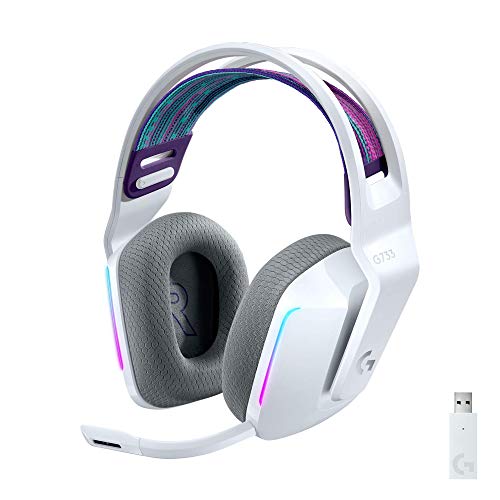
Logitech G733 Lightspeed: Lightweight Wireless with RGB
The Logitech G733 uses LIGHTSPEED wireless, with a stated range of up to 20 meters and battery life of up to 29 hours. It weighs 278 g and includes a reversible suspension headband, memory foam, dual-zone RGB lighting, and microphone filters configurable through G HUB.
Listed console compatibility includes PlayStation 5, PlayStation 4, and docked Nintendo Switch, with stereo sound through the USB wireless dongle. The supplied details do not list Xbox support, so confirm compatibility before choosing it for a mixed-console setup.
Pros: LIGHTSPEED wireless; relatively light listed weight; customizable lighting and microphone filters; stated battery life. Cons: Console audio is specified as stereo, and G HUB features require software access. Who should skip it: Skip it if you need wired operation, confirmed Xbox support, or longer stated battery life.
Logitech G733 Lightspeed Wireless Gaming Headset
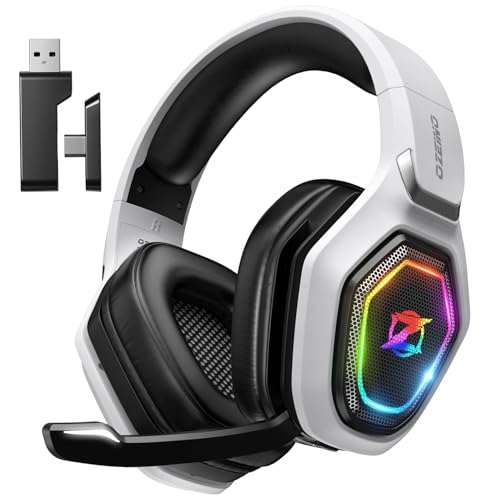
Ozeino Wireless Gaming Headset: 2.4 GHz, Bluetooth, and Wired Modes
This Ozeino model includes a 2.4 GHz USB transmitter, Bluetooth, and a 3.5 mm mode. The supplied notes list 2.4 GHz gaming connections for PS5, PS4, PC, Mac, and Switch; Bluetooth is for phones, laptops, and Switch, while wired use is described for music and calls.
The product advertises less than 30 ms delay and up to 40 hours of battery life, but these figures are not independent measurements. Its Xbox incompatibility is explicitly stated, and the USB transmitter must be fully assembled for the listed console and computer connections.
Pros: Multiple connection modes; stated 40-hour battery life; USB wireless support for several gaming platforms. Cons: Bluetooth is not supported directly for PC, Mac, PS5, or PS4 gaming, and Xbox consoles are not compatible. Who should skip it: Skip it if you use Xbox or want Bluetooth gaming audio on a PlayStation or computer without an adapter.
Ozeino Wireless Gaming Headset for PS5, PC
How to Choose a Gaming Headset
Check the Connection and Platform First
For a PC, check whether the headset uses a single 3.5 mm plug, a splitter, USB DAC, or USB wireless dongle. Console support can differ by model and connection mode, so verify the exact platform notes rather than relying on a broad compatibility claim.
Choose Wired or Wireless for Your Routine
A wired 3.5 mm model such as either Razer BlackShark V2 X avoids charging, but cable length and device ports affect convenience. Wireless options offer freedom of movement, but compare the listed battery life and make sure the included dongle or Bluetooth mode works with your system.
Assess Microphone, Comfort, and Software Features
Microphone designs range from flip-to-mute booms to detachable and bendable options. Weight, cushion material, and headband construction can help narrow choices, but fit is personal; check return terms if the headset does not suit your head or glasses.
Surround sound, EQ, and microphone filters may depend on software, operating systems, or specific connection modes. Treat advertised spatial audio and latency as specifications rather than proof of measured performance, and confirm whether the feature works on the platform you actually use.
Which Headset Should You Choose?
Choose the Logitech G432 if you want a wired headset with USB DAC and 3.5 mm options, or the standard Razer BlackShark V2 X for a lightweight 3.5 mm design with Windows-specific surround software. The PlayStation-oriented Razer version keeps the connection simple and adds an on-headset volume wheel.
For wireless flexibility, compare the Turtle Beach Stealth 500’s app-based EQ with the Stealth 600’s longer stated battery life and restricted platform list. Choose the Logitech G733 for LIGHTSPEED wireless and RGB, or consider NUBWO and AOC if their connection modes match your devices.
The Ozeino wired model may suit a simple multi-platform 3.5 mm setup, while its wireless counterpart has important Bluetooth and Xbox limits. Before buying, prioritize confirmed compatibility, connection type, and microphone needs over unverified claims about competitive advantage.


Write Your Review
No reviews yet. Be the first to share your experience!