

The best gaming headsets for bass depend on whether you prioritize powerful low-end impact, positional clarity, wireless freedom, or broad device compatibility. Among these models, the Logitech G PRO X offers the most adjustable PC-focused setup, while the Razer BlackShark V2 X provides a simpler wired option with stated richer lows.
This is a specification-based comparison rather than a hands-on test. The recommendations below use the documented driver, connection, microphone, comfort, software, and compatibility features supplied for each headset.
Top Products

Pros
- Extremely lightweight 0.66-pound frame
- Foldable design enables compact storage
- Comfortable memory foam ear cushions
- Flexible noise-filtering microphone
- Plug-and-play 3.5mm analog connection
Cons
- Requires audio splitter for PC connectivity
- Older Xbox One controllers require separate adapter

Pros
- Versatile 2.4GHz, Bluetooth 5.4, and 3.5mm connectivity
- Up to 100 hours of rated battery life
- Includes both USB-A and USB-C wireless adapters
- Retractable microphone with background noise cancellation
- Breathable fabric ear cushions for reduced heat buildup
Cons
- No wireless support for Xbox consoles
- Microphone does not work wirelessly on Nintendo Switch
- PlayStation 5 requires 2.4GHz dongle, Bluetooth unsupported
Pros
- Broad compatibility across consoles, PC, and mobile
- Cooling gel cushions mitigate heat and pressure
- Retractable cardioid microphone reduces ambient noise
- Durable and lightweight bauxite aluminum frame
- Convenient in-line audio and microphone controls
Cons
- 7.1 surround sound requires 64-bit Windows 10
- Surround sound features unsupported on gaming consoles
Pros
- Ultra-low latency 2.4GHz wireless connection under 30ms
- Long-lasting battery rated for up to 40 hours
- 50mm audio drivers for clear gaming sound
- Integrated on-ear volume and microphone mute controls
- Versatile connectivity across 2.4GHz, Bluetooth, and 3.5mm
Cons
- Not compatible with any Xbox consoles
- Native Bluetooth unsupported on PC, Mac, and PlayStation
- 3.5mm wired mode limited to music and calls
Pros
- Official Xbox console licensing
- Durable aluminum frame construction
- Comfortable memory foam ear cushions
- Detachable noise-cancelling microphone
- Integrated in-line audio controls
Cons
- Requires controllers with a 3.5mm jack
- Tethered wired connection only
Pros
- Detachable microphone with Blue VO!CE tuning technology
- Durable steel and aluminum frame construction
- Interchangeable leatherette and breathable velour ear pads
- External USB sound card with onboard EQ memory
- Secondary mobile cable with inline microphone included
Cons
- Blue VO!CE and surround sound require Windows PC software
- Advanced processing unavailable over standard 3.5mm analog connection

Pros
- Lightweight 240g frame for extended comfort
- Broad compatibility via standard 3.5mm audio jack
- TriForce 50mm drivers for distinct frequency tuning
- Cardioid microphone with targeted voice pickup
Cons
- Surround sound requires Windows 10 64-bit
- Xbox One may require a separate stereo adapter

Pros
- Universal 3.5mm cross-platform compatibility
- Detachable directional microphone with mute switch
- Lightweight build with memory foam padding
- Compatible with Windows Sonic spatial sound
Cons
- Restricted to a wired analog 3.5mm connection
- Lacks dedicated USB audio or wireless support

Pros
- Dual 2.4GHz and Bluetooth 5.2 wireless connectivity
- Up to 40 hours of rated battery life
- Companion app support with 10-band EQ customization
- Flip-to-mute microphone with variable mic monitoring
- Lightweight floating headband with memory foam cushions
Pros
- Wide compatibility across consoles, PC, and mobile
- Adjustable 360-degree noise-cancelling microphone
- Comfortable padded protein ear cushions
- Includes 3.5mm PC splitter cable
Cons
- USB connection required solely for LED lighting
- Older Xbox One controllers require an unincluded adapter
Best Gaming Headsets for Bass Compared
The most useful bass-related specification in this selection is the driver design, but larger drivers alone do not guarantee better sound. Tuning, ear-cup sealing, software equalization, and the headset’s connection method also affect how low frequencies are presented.
| Headset | Connection | Bass-related specification | Best suited to |
|---|---|---|---|
| Logitech G PRO X Wired Gaming Headset – Black | Wired USB sound card or mobile cable | PRO G 50 mm drivers with improved bass response | PC users who want EQ control |
| Razer BlackShark V2 X Gaming Headset | 3.5 mm | 50 mm TriForce Titanium drivers with richer highs and more powerful lows | Low-cost wired PC gaming |
| Ozeino Wireless Gaming Headset for PS5, PC | 2.4 GHz, Bluetooth, 3.5 mm | 50 mm driver and stated bass-focused gaming audio | Wireless PC and console setups |
| Wireless Gaming Headset, 7.1 Surround Sound | 2.4 GHz, Bluetooth 5.4, 3.5 mm | Dynamic driver with deep bass claim | Multi-device users seeking long battery life |
| HyperX CloudX, Official Xbox Licensed | 3.5 mm | Enhanced bass reproduction with clear lows, mids, and highs | Xbox controller users |
Best for PC EQ Control: Logitech G PRO X Wired Gaming Headset – Black
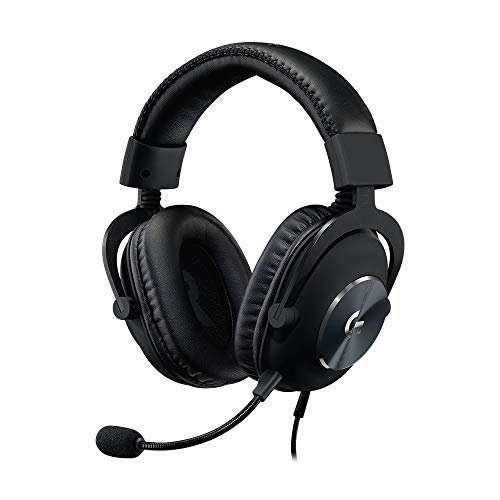
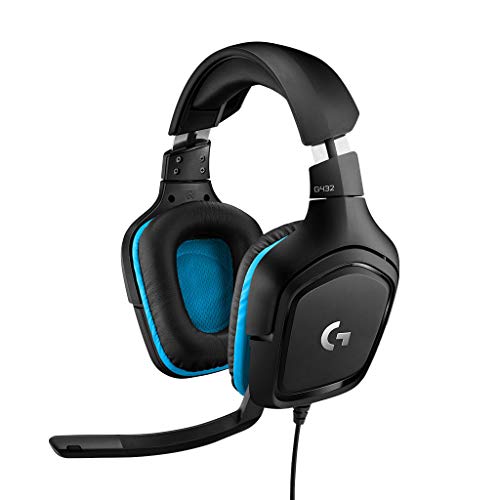
Logitech G PRO X Wired Gaming Headset – Black is the strongest choice for PC users who want to shape bass instead of relying only on factory tuning. Its PRO G 50 mm drivers are specified to provide improved bass response, while the included USB sound card and Logitech G HUB support five-band EQ adjustment.
The headset also includes downloadable EQ profiles, onboard profile storage, a detachable microphone with Blue Voice processing, and two ear-pad materials. The main limitation is PC dependence for its advanced features, since the USB sound card, surround sound, and software controls require a Windows PC with Logitech G HUB.
Best Affordable Wired Pick for Powerful Lows: Razer BlackShark V2 X Gaming Headset
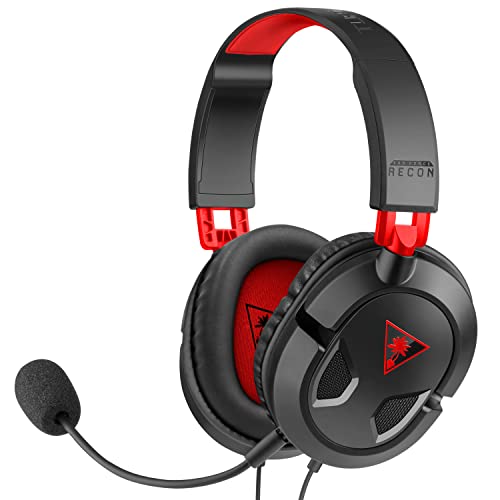
Razer BlackShark V2 X Gaming Headset uses 50 mm TriForce Titanium drivers with separate tuning for highs, mids, and lows. Razer specifically describes the design as producing richer highs and more powerful lows, making it a practical match for players who want bass impact without wireless hardware.
Its 3.5 mm connection supports PC, Mac, PlayStation, Xbox, and Nintendo Switch, while the closed earcups and memory foam cushions provide passive isolation. Software-enabled 7.1 surround sound is limited to Windows 10 64-bit, and an Xbox One stereo adapter may be required for some controllers.
Best Wireless Option for PC and PlayStation: Ozeino Wireless Gaming Headset for PS5, PC
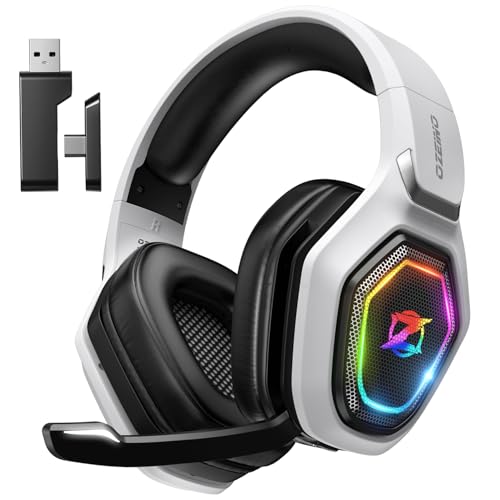
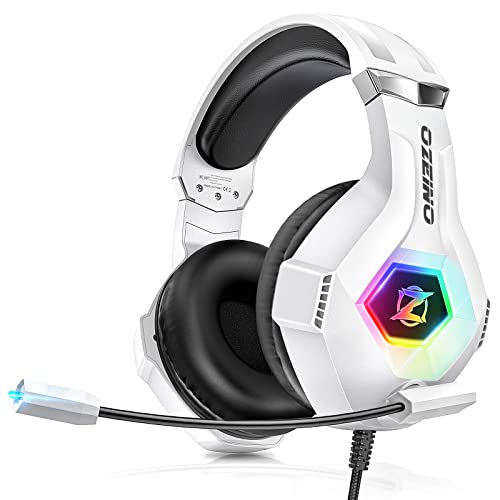
Ozeino Wireless Gaming Headset for PS5, PC combines a 50 mm driver with 2.4 GHz wireless audio and a stated focus on bass and accuracy. The supplied USB and Type-C transmitter supports PC, Mac, PS4, PS5, and Switch, with the manufacturer specifying less than 30 ms of wireless delay.
It also offers Bluetooth and a 3.5 mm mode, but the connection details matter. Bluetooth does not directly work with Mac, PS5, PS4, or PC without an additional USB Bluetooth adapter, and the wired mode is specified for music and calls rather than full gaming functionality. Xbox consoles are not supported.
Best for Battery Life and Multi-Mode Connectivity: Wireless Gaming Headset, 7.1 Surround Sound
Wireless Gaming Headset, 7.1 Surround Sound is designed for users who move between PC, PlayStation, mobile devices, and Switch. Its 2.4 GHz transmitter is specified for low-latency gaming, while Bluetooth 5.4 and a 3.5 mm cable provide additional connection options.
The product description identifies deep bass from its dynamic driver and lists separate battery expectations for Bluetooth and 2.4 GHz use. The wireless function is not compatible with Xbox Series consoles, and microphone support is listed as invalid for Switch, so Xbox and Switch users should check those limitations before buying.
Best for Xbox Controller Compatibility: HyperX CloudX, Official Xbox Licensed
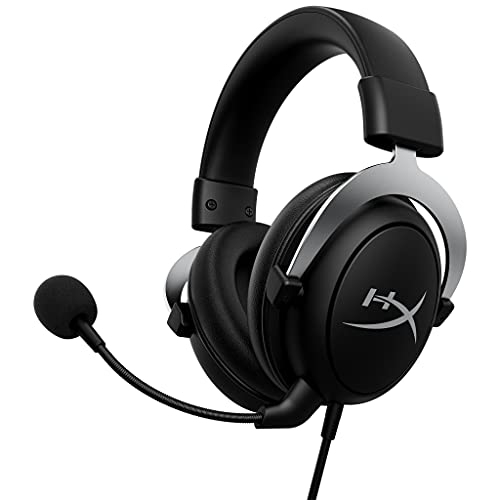
HyperX CloudX, Official Xbox Licensed is built around a 3.5 mm connection for Xbox controllers equipped with a compatible headset jack. Its documented enhanced bass reproduction is paired with clear lows, mids, and highs, which suits players who want impact without giving up general-purpose game audio.
The detachable noise-cancelling microphone, in-line volume and mute controls, braided cable, memory foam cushions, and aluminum frame support straightforward console use. It does not provide wireless connectivity or a listed software EQ system, so it is less flexible than the Logitech G PRO X for PC audio customization.
Best for Broad Wired Compatibility: JBL Quantum 100M2 Wired Gaming Headset
JBL Quantum 100M2 Wired Gaming Headset uses a single 3.5 mm connection for PC, PlayStation, Xbox, Nintendo Switch, mobile devices, Mac, and VR hardware. Its emphasis is accurate game audio, and the detachable directional microphone, breathable fabric cushions, and memory foam support a simple cross-platform setup.
This model is a better fit for listeners who want bass alongside general clarity rather than a specifically bass-heavy tuning. Spatial audio compatibility is listed through Windows Sonic on Windows 10 PCs and Xbox One, so platform-specific surround features should not be assumed elsewhere.
Best for Long Wireless Sessions: Turtle Beach Stealth 500 Wireless Amplified
Turtle Beach Stealth 500 Wireless Amplified combines amplified 40 mm drivers with low-latency 2.4 GHz wireless, Bluetooth 5.2, four EQ modes, and a companion app with a 10-band EQ. That combination gives PC users more documented ways to adjust bass than a basic plug-and-play headset.
Its listed 40-hour battery, memory foam cushions, lightweight floating headband, and microphone monitoring suit extended wireless use. The smaller 40 mm drivers do not automatically make it weaker for bass, but the supplied information does not include independent measurements of frequency response or maximum low-frequency output.
Other Worthwhile Options
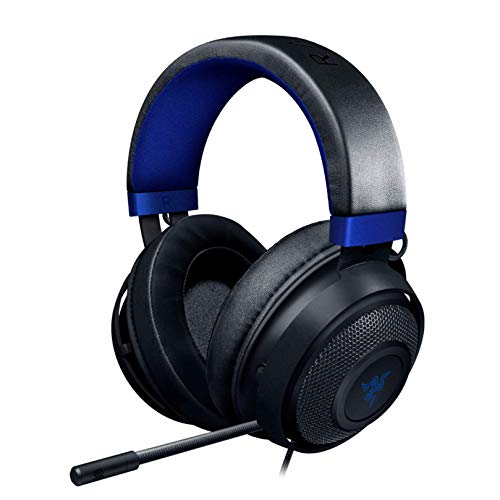
The Razer Kraken Gaming Headset uses custom-tuned 50 mm drivers, cooling gel-infused cushions, a retractable noise-isolating microphone, and a flexible aluminum frame. Its software-enabled surround sound is available only on Windows 10 64-bit, while the 3.5 mm connection supports PC, consoles, Switch, and mobile devices.
The SENZER SG500 Gaming Headset with Noise Cancelling is a lightweight foldable wired headset with memory foam padding, a bendable microphone, and broad 3.5 mm compatibility. PC users need the supplied or compatible audio splitter, and the product description does not provide a specific bass tuning or driver size.
The Ozeino Gaming Headset for PC, Ps4, Ps5 lists punchy bass, 7.1-style surround audio, a 3.5 mm connection, and a noise-cancelling microphone. Its USB connector powers the LED lighting only, while PC use requires a one-to-two 3.5 mm splitter cable.
How to Choose the Best Gaming Headsets for Bass
Choose the Connection Before Comparing Sound Features
Wired 3.5 mm headsets are usually the simplest choice for PC, console, and mobile use, but some computers need a separate microphone and audio splitter. USB models can provide software processing and stored EQ profiles, although those features may require Windows software.
Wireless models add freedom of movement but require attention to transmitter type, battery behavior, Bluetooth support, and console restrictions. The supplied Ozeino and Valorise specifications show why Bluetooth compatibility should not be assumed from the presence of a Bluetooth label.
Look for EQ Options if Bass Adjustment Matters
EQ control is useful when you want more bass for music or explosions but less low-end emphasis for competitive games. The Logitech G PRO X and Turtle Beach Stealth 500 list the clearest adjustment options through PC software, EQ profiles, or onboard controls.
Headsets without software may still sound bass-forward, but the available data cannot establish their exact frequency response. Driver size, surround branding, and phrases such as deep bass should therefore be treated as specifications or manufacturer claims, not independent measurements.
Balance Bass With Positional Audio and Microphone Needs
Heavy bass can make explosions and music more engaging, but competitive players also need clear footsteps, reload sounds, and voice communication. Models such as the Razer BlackShark V2 X and Logitech G PRO X specifically describe separate tuning or improved imaging features alongside their bass-related claims.
Microphone requirements vary by setup. Detachable microphones are useful for music and travel, while retractable or flip-to-mute designs reduce cable clutter during ordinary PC use.
Check Platform Requirements Carefully
- For a PC with separate microphone and headphone ports, verify whether a 3.5 mm splitter is included or required.
- For Xbox, prioritize models that explicitly support the console or its controller connection, such as the Xbox-licensed HyperX CloudX.
- For PS5 and PS4, confirm whether the wireless transmitter uses USB, Type-C, or both.
- For Switch, check whether the microphone works in the selected wireless mode.
- For software-based surround sound or EQ, verify the required Windows version and companion application.
Frequently Asked Questions
Are 50 mm drivers better for bass?
Not automatically. A 50 mm driver can support strong low-frequency output, but tuning, enclosure design, ear-cup seal, and software EQ also influence perceived bass. The supplied specifications identify driver sizes and tuning claims, not independent sound measurements.
Is wired or wireless better for bass on PC?
Neither connection type guarantees stronger bass. Wired headsets can simplify setup and avoid battery management, while wireless models may offer EQ presets, app control, or greater movement freedom. Choose based on the connection and adjustment features your PC supports.
Which headset is easiest to recommend for PC bass?
The Logitech G PRO X is the most flexible choice when PC software and EQ control are priorities. The Razer BlackShark V2 X is more straightforward for users who want a wired 3.5 mm headset with documented powerful lows and broad platform support.



Write Your Review
No reviews yet. Be the first to share your experience!